Last updated November 22, 2026
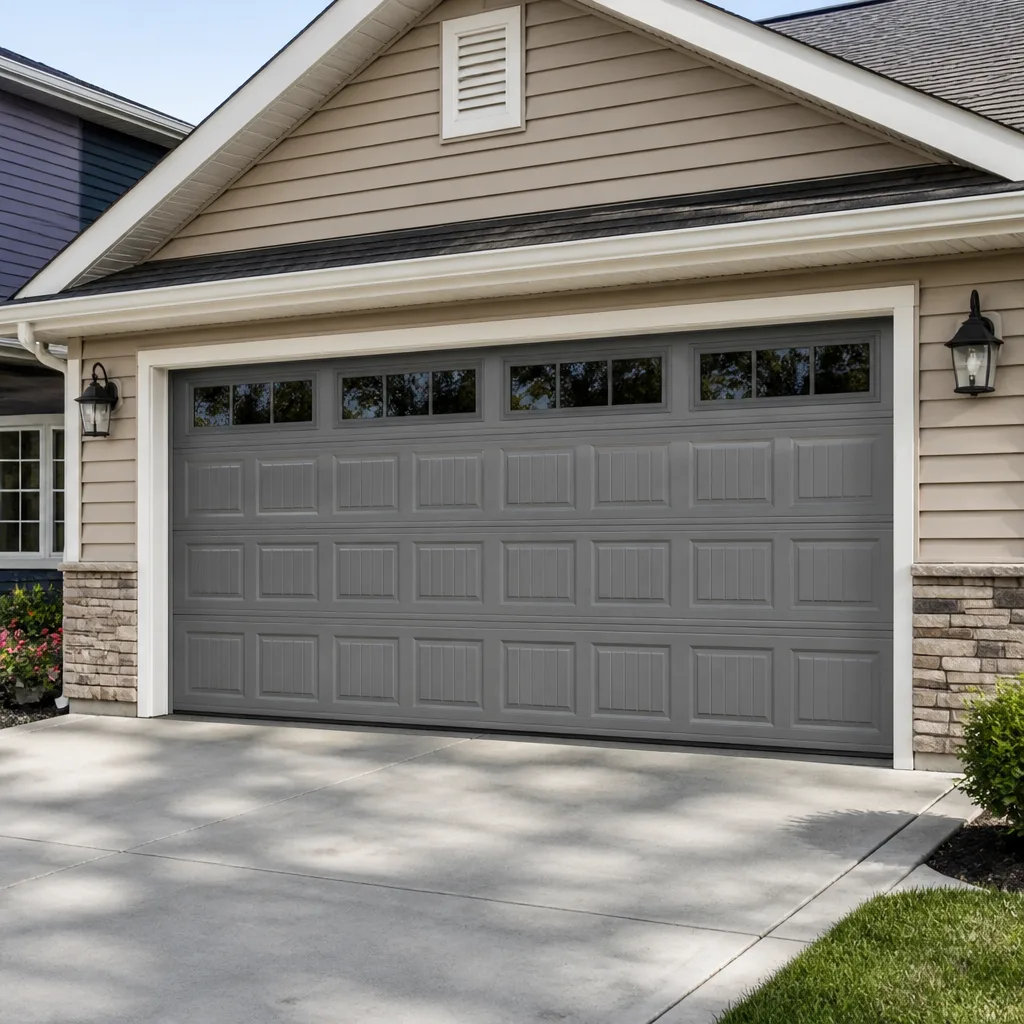 Raised-panel steel
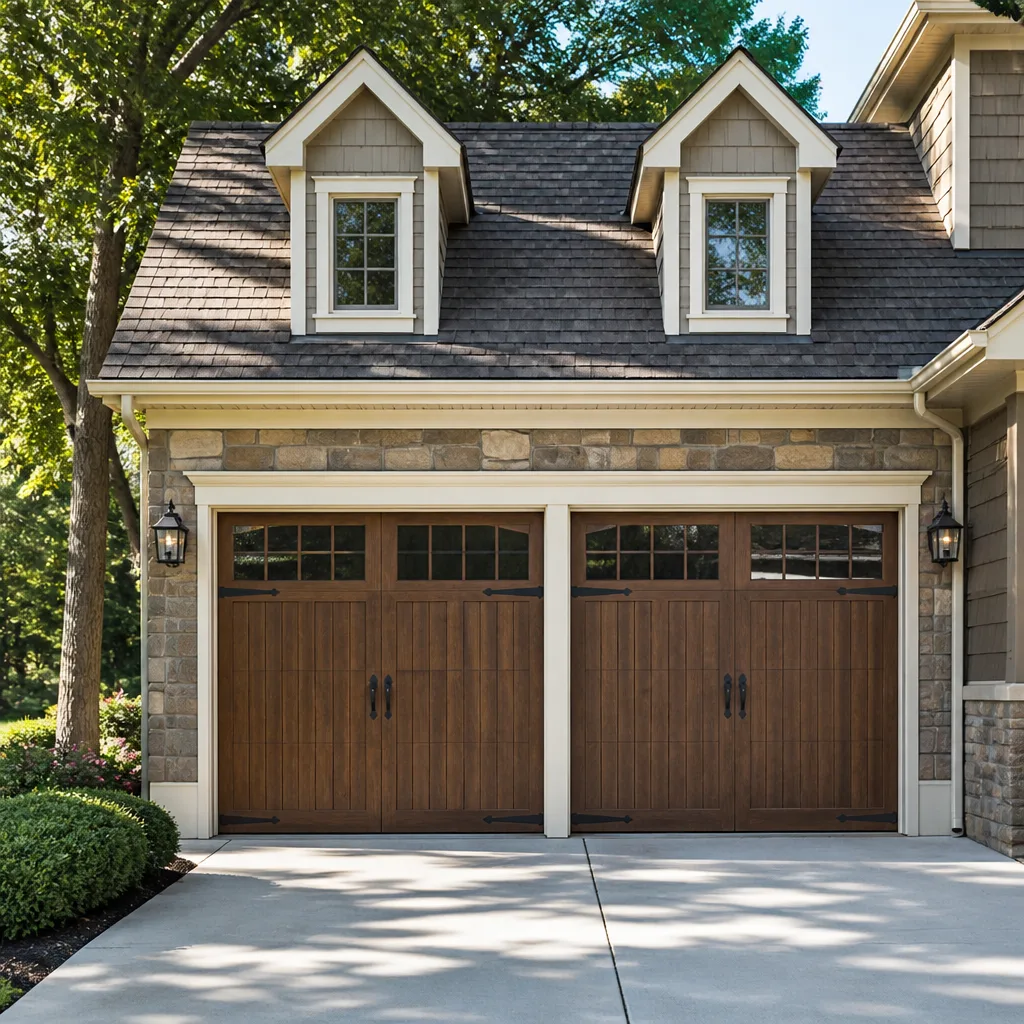 Carriage house
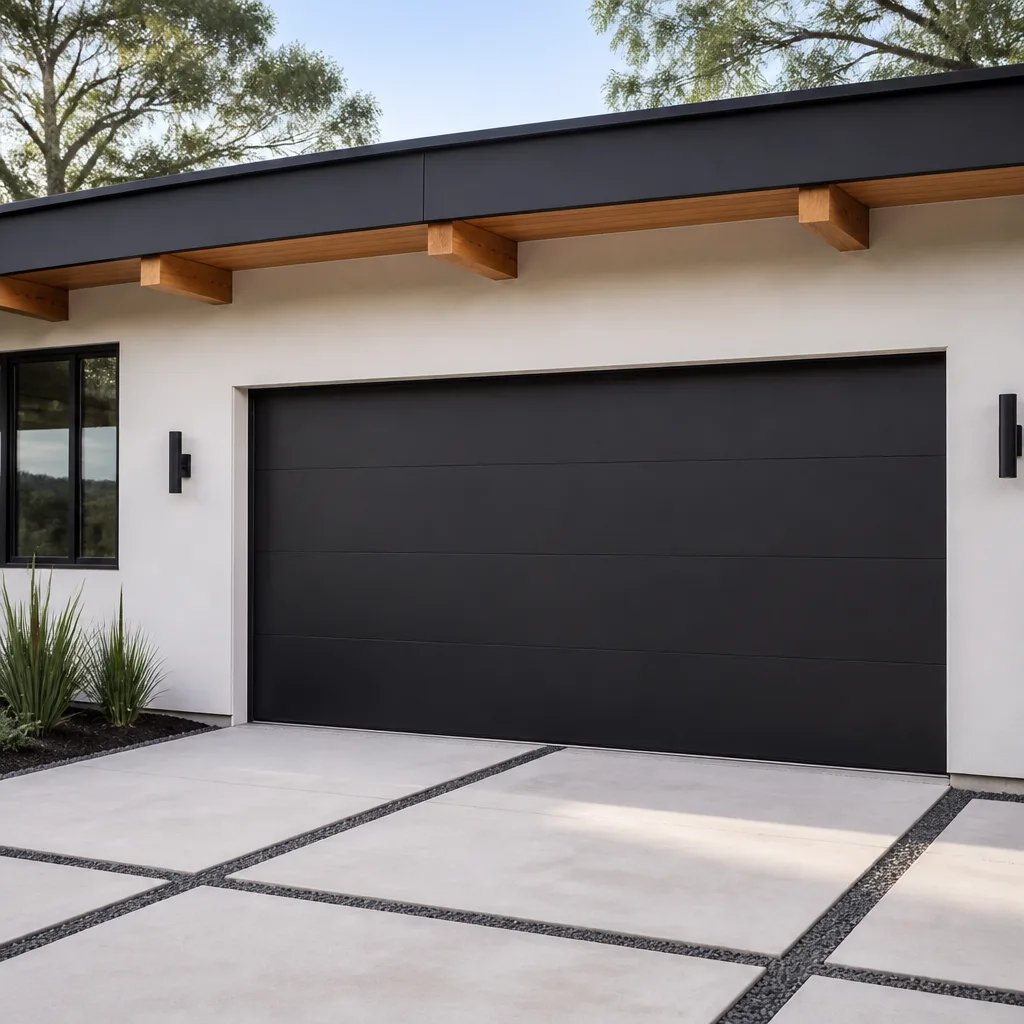 Modern flush
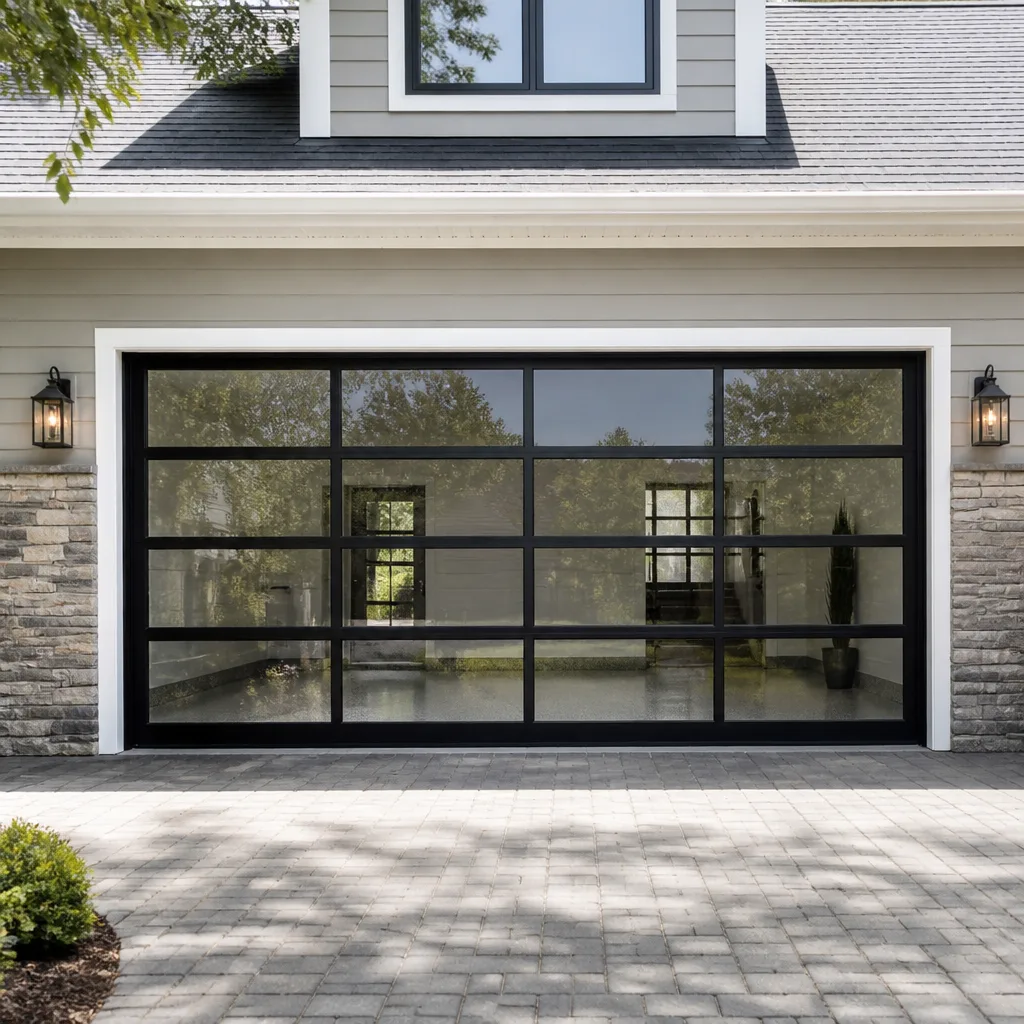 Full-view glass
 LiftMaster openers
 Chamberlain openers
Full 25-point door and opener safety check with every visit - springs, cables, rollers, tracks, and your LiftMaster or Chamberlain opener included
You get a price before we start. It does not change when the pro arrives.
Get your free estimateGarage Door Warning Signs: A Westerville Homeowner’s Reference Guide
Most garage door emergencies don’t start as emergencies. They start as a sound you talked yourself out of. A grind that showed up one cold morning in February. A shudder at the halfway point. A remote that needs two presses instead of one. Homeowners call us after the spring snaps and say the door had been “acting up” for a while, and that phrase is the problem: “acting up” doesn’t tell a technician much. Precise symptoms do. This guide is a vocabulary list for your garage door. It translates what each grind, squeal, bang, and click maps to mechanically, explains what to check in sixty seconds, and draws a hard line between the signs you can monitor for a few weeks and the ones that mean stop using the door now. Every point is written for the weather, housing stock, and daily use patterns we see across Westerville.
Quick Answer
The most common garage door warning signs in Westerville are grinding or squealing (worn rollers, dry hinges, or a failing bearing), a door that shudders or jerks (spring imbalance or a bent track), banging at the top of travel (a loose torsion spring or worn opener gear), a reversing door (opener safety sensor or force-setting problem), and a visible gap between the door and the floor (cable stretch or spring wear). Grinding, a hanging door, or a visibly broken spring mean stop using the door and call a specialist. Minor squeaks and slow opener response can often be watched for a short window, but the door rarely fixes itself.
Styles & brands we work with
- Raised-panel steel
- Carriage house
- Modern flush
- Full-view glass
- LiftMaster openers
- Chamberlain openers
Table of Contents
- The Symptom-to-Component Translation Table
- What Each Noise Is Actually Telling You
- Visual Warning Signs Most Homeowners Miss
- Opener Behavior Diagnostics
- The 60-Second Overnight Test for Spring Balance
- Triage: Stop-Using-Now vs. Monitor-for-Weeks
- Why Westerville Doors Show These Signs Sooner
- The Monthly Five-Minute Walk-Around
The Symptom-to-Component Translation Table
Here’s the core idea behind this entire guide: a garage door is a small mechanical system with a fixed set of parts, and each part fails in a recognizable way. When you can name the symptom, a technician can often predict the failed component before arriving, which means the right part gets loaded and the diagnosis doesn’t eat into the repair. The table below is the translation key. Read down the left column for what you notice; the right column is what it usually points to in the doors we see around Westerville.
- Grinding as the door moves: Worn nylon or steel rollers, a dry hinge pivot, or a failing bearing plate. Grinding that starts loud and stays loud can mean a roller has flat-spotted or seized and is scraping the track.
- Squealing or high-pitched whine: Metal-on-metal friction, usually hinges and rollers that need lubrication, or the opener’s chain or belt running dry.
- Banging or loud thud at the top of travel: A loose torsion spring winding down, a worn opener drive gear, or the door slamming against the header because of a misadjusted travel limit.
- Clicking near the opener head: A failing logic board relay or a stripped gear in a chain-drive unit. Genie and Craftsman chain-drive openers are common in Westerville garages and both are prone to this specific symptom with age.
- Rattling that gets worse over months: Loose track brackets, a loosened spring anchor, or fasteners that have backed out of the framing.
- Popping or snapping from the spring area: A torsion spring that has lost tension or is about to break. Do not test this by hand.
- Crunching near a corner: A cable that has jumped its drum. Stop using the door; a jumped cable can whip loose.
If you can match what you’re hearing to one of these rows, you’ve already given yourself a head start. When you reach out for garage door repair, describing the noise as “grinding on the way down but quiet on the way up” or “clicks three times before the door moves” gets you a faster, more accurate diagnosis than “it’s acting up.”
What Each Noise Is Actually Telling You
Noise is the earliest signal a garage door gives, and it’s the one most homeowners tune out because a door is a big metal object and some noise feels normal. The trick is context: a door that has always been quiet and suddenly isn’t is telling you something changed. A door that has always rattled a little is probably fine.
Start with location. Stand in the garage and listen with the opener running. Where is the sound coming from?
- From the rollers and tracks along the sides: Grinding or squealing here points to roller wear and lubrication. This is usually the cheapest fix on the list, and it’s the one most worth catching early, because a seized roller will eventually gouge the track.
- From the center of the ceiling, above the door: Banging or popping in this zone points to the torsion spring and its hardware. This is the area to treat with respect. A torsion spring holds enormous stored tension even on a light single-car door, and the garage door spring repair job is the single most dangerous task in this trade. We never advise homeowners to touch the spring, the cables, or the drums, no matter how handy you are. A door with a banging spring is a stop-using-the-door situation.
- From the opener rail and head unit: Squealing from the rail means the chain or belt is dry or the rail bushings are worn. Clicking from the head means the internal gear or relay. This is garage door opener repair territory, and it’s a separate diagnosis from a mechanical door problem.
One more nuance worth knowing: seasonal noise is common in Westerville. Cold snaps tighten metal, stiffen grease, and make doors that were quiet in October louder in January. If a new noise shows up after a hard freeze and disappears on a mild day, that’s a lubrication reminder, not necessarily a failing part. A noise that shows up and stays, in any weather, is a different story.
Visual Warning Signs Most Homeowners Miss
Sounds get the attention, but visual signs are often the earliest evidence of trouble because they show up before the door fails. Walk around the door with a flashlight and look for these, especially if you haven’t looked closely in a while.
- Paint bubbling or flaking on steel panels: Most steel garage doors are painted on the outside, and bubbling or flaking near the bottom edge signals rust progressing under the paint. Water pools at the door’s base, and in Westerville’s freeze-thaw cycle, moisture works under seams and behind panels. Catching rust early means you can treat and repaint; letting it spread means the panel skin itself starts to degrade.
- An uneven gap between the door and the floor: Close the door and look along the bottom. If the gap is wider on one side than the other, or the weather seal touches in the middle and gaps at the ends, you likely have a spring imbalance, a cable that has stretched, or a settled track. This is also the sign homeowners notice because of drafts or water getting into the garage, not because of noise. It’s one of the most reliable indicators that a spring is losing tension.
- Visible gaps between panels: Panels that used to line up and now don’t suggest a bent section, a loose hinge, or a door that has been hit and shifted. Clopay and Amarr steel doors are common here, and both hold up well when panels stay true. A door with shifting panels should be checked before the misalignment stresses the hinges further.
- Bent or kinked track: Look down the length of each vertical and horizontal track. A kink, a bend, or a track that’s clearly not parallel to the door frame causes binding, and binding forces the opener to work harder.
- Frayed or slack cables: Cables run from the bottom corner brackets up to the drums. A cable with broken strands, kinks, or obvious slack is a stop-using-the-door sign. Do not touch it, and don’t run the door while someone is standing under it.
- Hardware that’s rusted or backed out: Hinges and brackets with rust streaks or fasteners sitting proud of the panel are worth having checked, because loose hardware accelerates wear across the whole door.
Wayne Dalton and Clopay doors that we see in Westerville homes hold up well, but no door survives neglect of the small stuff. Look for these signs once a month and you’ll always have more warning than you need.
Opener Behavior Diagnostics
The opener is the door’s brain, and its misbehavior often tells you exactly which part of the system is failing. Three patterns in particular are worth learning to read: the door that reverses immediately, the door that reverses partway up, and the door that moves slower than it used to.
Reverses immediately after closing. If the door touches the floor and jumps back up, the safety sensors or the close-force setting is the usual cause. Check the sensors first: the two eyes near the floor should have clean lenses, an unobstructed line of sight, and a steady indicator light on each. Something as simple as a spiderweb, a leaf, or a bumped sensor bracket can trigger this. If the sensors are clean and aligned and the door still reverses at the floor, the close-force limit has likely drifted and needs adjustment. Don’t keep pressing the button hoping it catches; repeated reversing wears the opener’s gear and your patience.
Reverses at mid-travel. A door that goes up fine, comes down partway, and reverses is telling you something different: the opener is detecting resistance. Common causes are a worn roller binding in the track, a track that’s out of alignment, a hinge that’s seized, or the torsion spring losing tension so the door isn’t balanced anymore. This one is often a mechanical problem masquerading as an opener problem. A LiftMaster or Chamberlain unit with a battery backup and a MyQ-style sensor setup will throw this kind of pattern when the door is binding, not when the opener is failing. Pushing the door up and down by hand (with the opener disengaged) tells you which side owns the problem.
Moves slower than normal. If the door suddenly feels sluggish, check the force and travel settings first, then look at the door’s balance. An opener straining to lift a door that has lost its spring tension will eventually burn out its gear, its motor, or both. That’s why slow operation is a warning sign, not just an annoyance: it’s the opener telling you it’s doing work the spring should be doing.
Genie and Craftsman openers are the two most common units in Westerville garages, and both handle years of service when the door itself is balanced. When it isn’t, the opener takes the abuse.
The 60-Second Overnight Test for Spring Balance
Spring imbalance is the root of most garage door failures, and you can check for it in about a minute, once, each night, without touching the spring or cables. The door tells you whether the spring is doing its job every time you leave it in that halfway position.
- Wait until the door has been closed and idle for a few minutes. This makes sure the opener has fully finished its cycle.
- Pull the opener’s manual release cord. This disengages the opener from the door so the door moves freely. The release hangs from the trolley on the rail, usually near the top of the door.
- Lift the door by hand to about waist height, and let go. The door should rise and then hold roughly where you left it, or drift only slightly. A balanced door stays put.
- Note what it does. If the door sinks noticeably on its own, the spring has lost tension and the door is heavier than it should be. If the door shoots up on its own, the spring is over-tensioned. Either way, the balance is off.
- Re-engage the opener. Pull the door down to the closed position by hand, then press the button once so the trolley re-engages. Don’t leave the door disengaged overnight and don’t force the door to a position it doesn’t want to sit in.
Do this test at night, after the day’s use, when the door is quiet and you have a moment. If the door fails the test, don’t lift it to the halfway point again “to be sure.” A door that’s out of balance is putting strain on the spring, the cables, and the opener every time it moves, and a spring that’s close to failing doesn’t need a second demonstration. Call for an inspection and keep the door down until someone trained looks at it.
Triage: Stop-Using-Now vs. Monitor-for-Weeks
Not every warning sign means the same urgency, and knowing the difference saves you a panic call or an unsafe risk. This is the triage framework we use in the field.
Stop using the door immediately
- A visible gap or break in a torsion spring. A broken spring means the door’s full weight is resting on the opener and cables. Using the door can cause a sudden drop.
- A hanging or off-track door. One side dropped lower than the other, or a roller has come out of its track. This is a mechanical failure in progress; the door can come down hard.
- Any popping, snapping, or banging from the spring area. Treat it as a spring that’s about to fail. It usually is.
- Frayed cables or a cable that has jumped a drum. Cables store danger and whip loose when they fail. Keep everyone clear of the area and call for service.
- A door that reverses and won’t stay closed on its own. If the door is unsecured or you can’t get it down, that’s a security and safety problem, and emergency service is the right call.
Monitor for a few weeks (but schedule the inspection)
- Squealing or grinding on the move. Usually lubrication and roller wear. Get it looked at, but it’s rarely a same-hour problem unless the door is also binding.
- Slower opener response or a remote that needs two presses. Often a battery, sensor, or logic-board issue that worsens gradually. Don’t let it go months.
- Minor rust bubbling on a panel. A cosmetic and longevity concern, not a safety one. Plan to treat it and repaint.
- A small, uneven floor gap. Watch it and get the balance tested at your next service. If it grows, move it into the stop-using column.
The general rule: anything that could involve a spring, cable, or a door coming down unevenly is urgent. Anything that’s about wear, noise, or cosmetics is worth scheduling. If you’re unsure which side of the line you’re on, call us. A phone description usually settles it in a minute, and it’s better than guessing.
Why Westerville Doors Show These Signs Sooner
Some of the warning signs in this guide are universal, but a few show up more often in Westerville than in a milder climate, and it helps to know why.
First, the winters. Westerville’s freeze-thaw cycle runs the door through dozens of expansion and contraction cycles every cold season. Metal parts tighten in cold, grease stiffens, and panels flex. A door that’s near the end of its roller life will often fail in January, not in June, because cold is the stress that pushes it over. That’s why a cold-weather inspection is worth doing before the first hard freeze.
Second, moisture. Rain, melting snow, and the seasonal freeze-thaw pattern work under the bottom panel and behind the seams. That’s where the rust warning sign starts: paint bubbling or flaking near the bottom of the door. Keeping the base clean and treating early rust saves a Clopay, Amarr, or Wayne Dalton steel panel from replacing a section later.
Third, daily use. Garages in Westerville get used for more than parking. They’re storage, laundry, workshop, and the main entry for a lot of households. A door that cycles several times a day wears its spring and opener faster than one that runs twice. That’s not a criticism, it’s just a reason to check the door’s symptoms on a schedule rather than waiting for a noise to demand it.
Fourth, age of the housing stock. Many Westerville homes have garages built decades ago, and the doors and openers on them have been replaced at least once. When a system is a mix of an older mechanical door and a newer opener, the two don’t always match well. A modern Genie or Chamberlain opener on an older, heavier door will be strained if the door isn’t balanced. That mismatch is one reason we ask what brand and model you have before we schedule.
Fifth, the drip edge and the door bottom. Roof runoff and drainage patterns around the driveway can direct water toward the door’s base. Homeowners who clear debris from the bottom seal and keep the driveway graded away from the door avoid the rust that shows up as bubbling paint.
None of this is unique to your block, but it’s the local background against which every symptom in this guide should be read.
The Monthly Five-Minute Walk-Around
The realistic way to catch warning signs early is a short, regular check. Five minutes, once a month, with a flashlight and the door closed.
- Look at the bottom gap. Check that the floor seal sits even across the whole width of the door, and look for visible daylight.
- Inspect the panels. Walk the full width of the door and look for paint bubbling, rust streaks, dents, and panels that don’t line up.
- Run your eyes up each track. Check for bends, kinks, and loose brackets.
- Listen. Open and close the door once and listen for new grinding, squealing, banging, or clicking.
- Check the sensors. Make sure the two floor-level eyes are clean, aligned, and showing steady indicator lights.
- Do the balance check. Every few months, run the sixty-second overnight test described above.
- Look at the opener. Glance at the rail, chain, or belt for wear, and check that the light comes on and the opener responds on the first press.
Keep a note on your phone of what you heard and when. A symptom that “comes and goes” is easier to diagnose if you can say it showed up after the first cold snap or started after a storm.
Common Mistakes to Avoid
- Calling after the break instead of before. Most spring failures start with the warning signs in this guide: banging, an uneven floor gap, slow opener travel. The repair is the same job either way, but the emergency version is the one you don’t get to schedule. Catch it early and you get a normal appointment.
- Lubricating the spring or the cables. Lubrication is for hinges, rollers, and the opener’s chain or belt. Don’t put oil on the torsion spring, and never touch the cables. A homeowner with good intentions and a can of spray oil can make a failing spring worse.
- Adjusting the opener’s force setting to “fix” a binding door. Turning up the force so the door will close is treating the symptom, not the cause. A binding door that closes only because the opener is overpowering it is one that’s about to break.
- Ignoring the floor gap because the door still opens. An uneven gap is one of the most reliable early signs of spring imbalance in Westerville homes. Fixing it before the spring fails is cheaper and safer.
- Calling a general handyman for a spring or opener job. Garage doors are their own trade. The hardware, the tuning, and the failure modes are specific. A specialist who services eight major brands has seen your exact system before; a generalist is learning on your door.
- Assuming a slow door means a new opener. A sluggish door is often a balance or roller problem, not a dead opener. Diagnosing it correctly the first time avoids paying for an opener you didn’t need.
- Letting a small rust spot sit through another winter. In Westerville, one more freeze-thaw cycle turns a spot you could treat and repaint into a section you have to replace.
See the difference
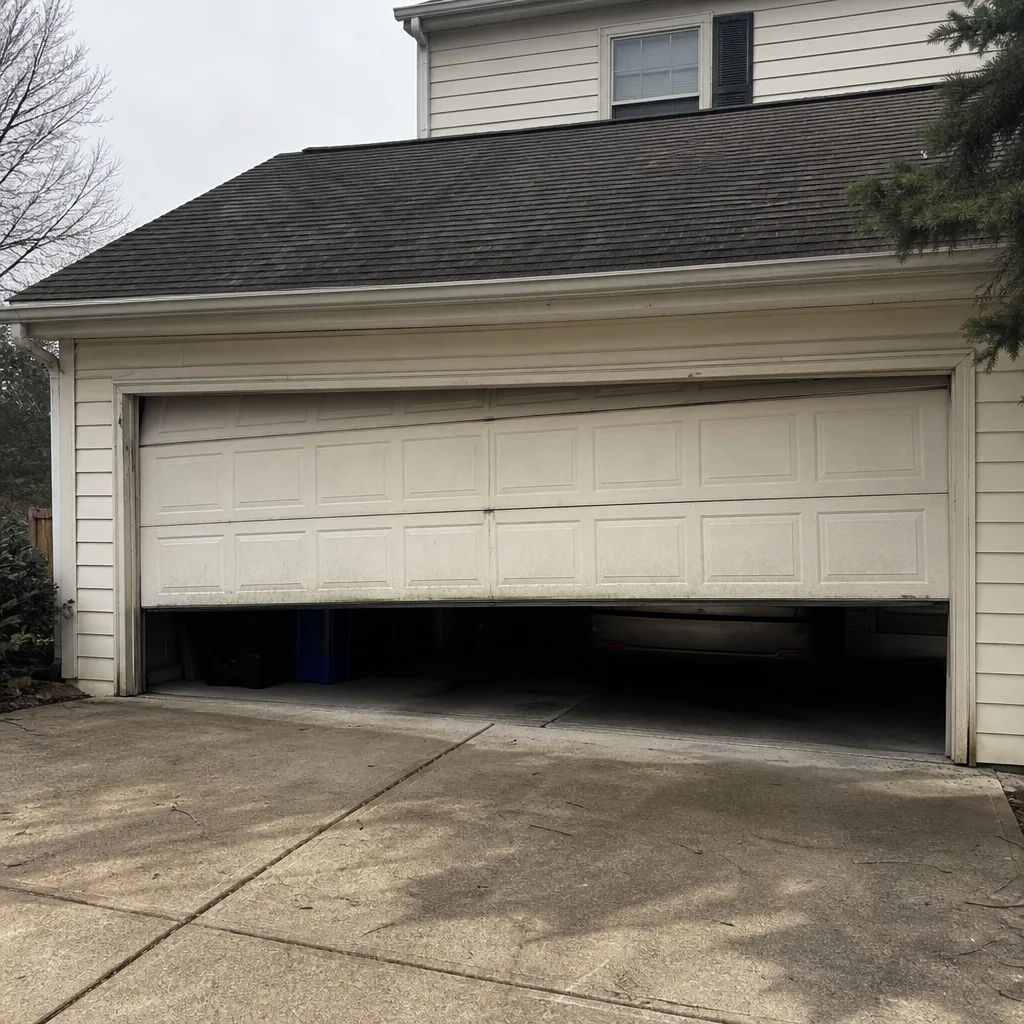 Before
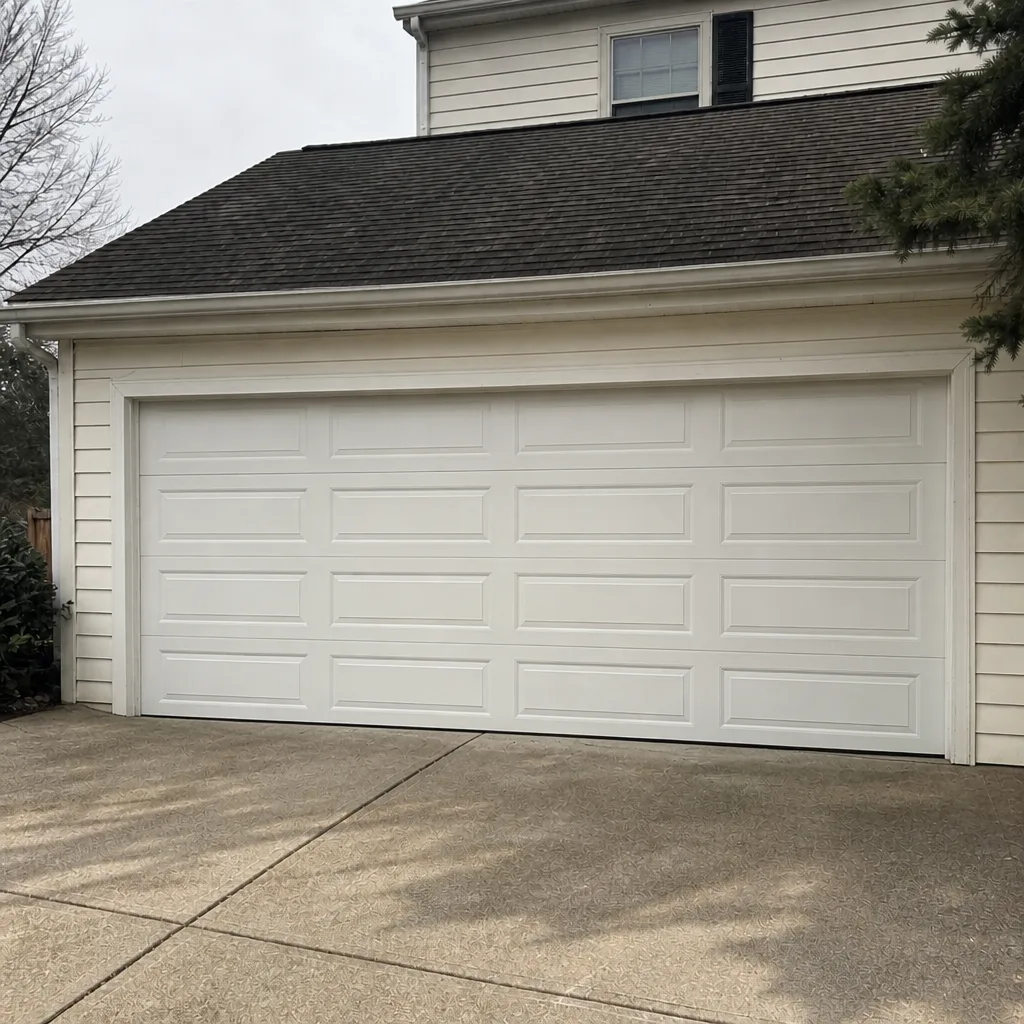 After
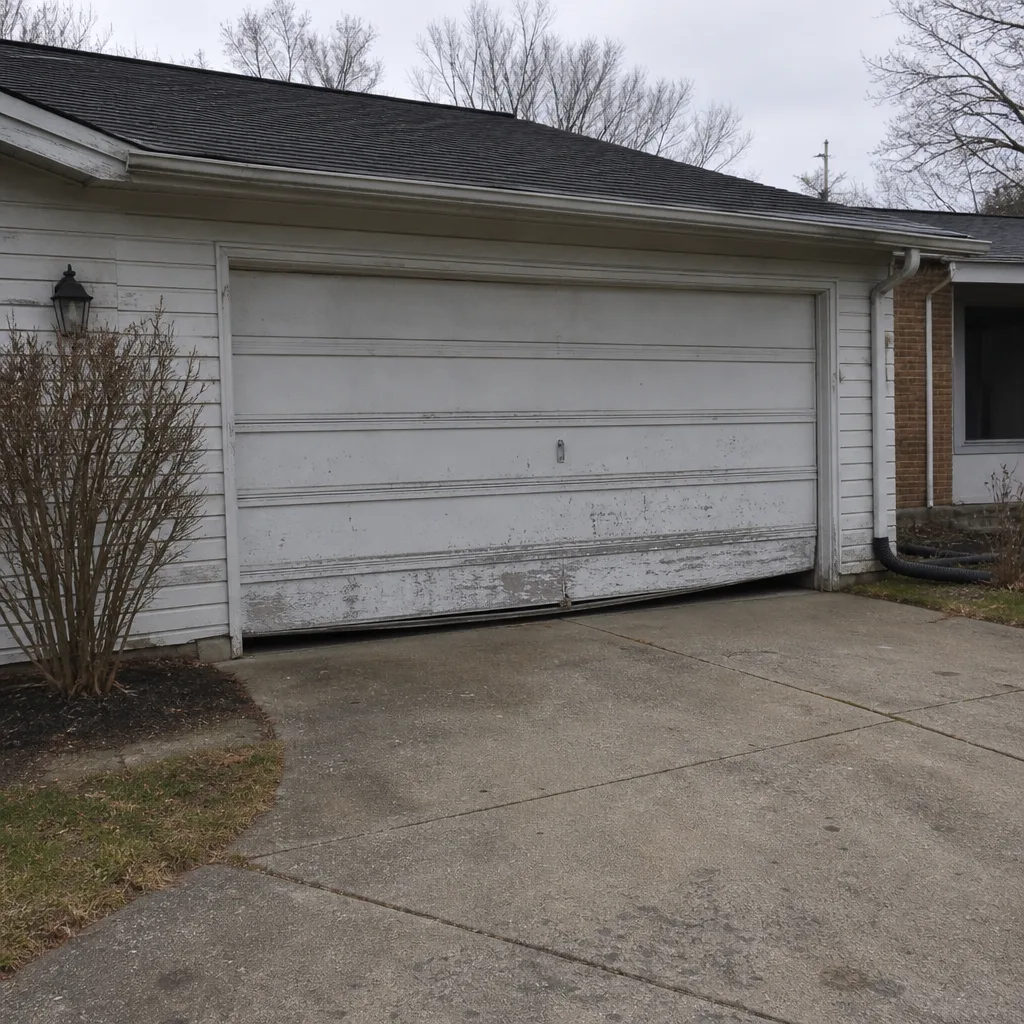 Before
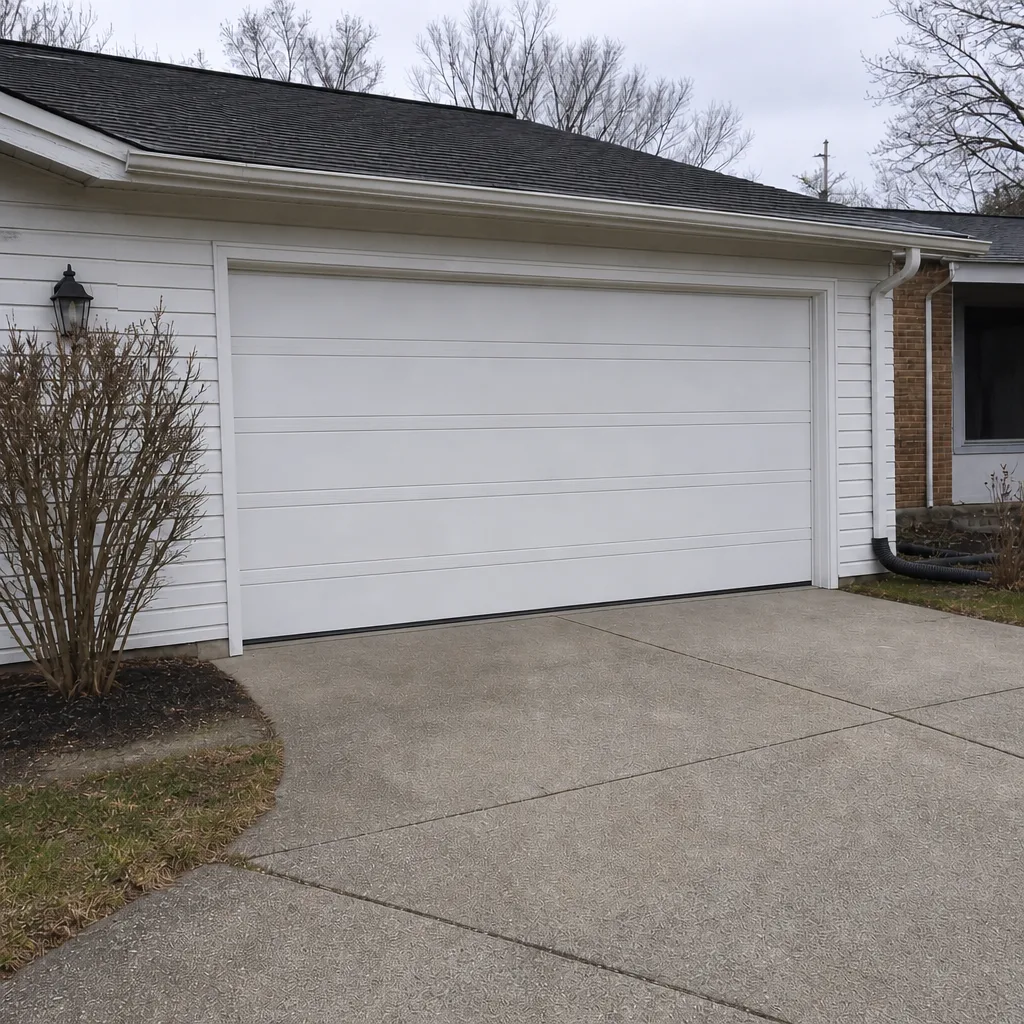 After
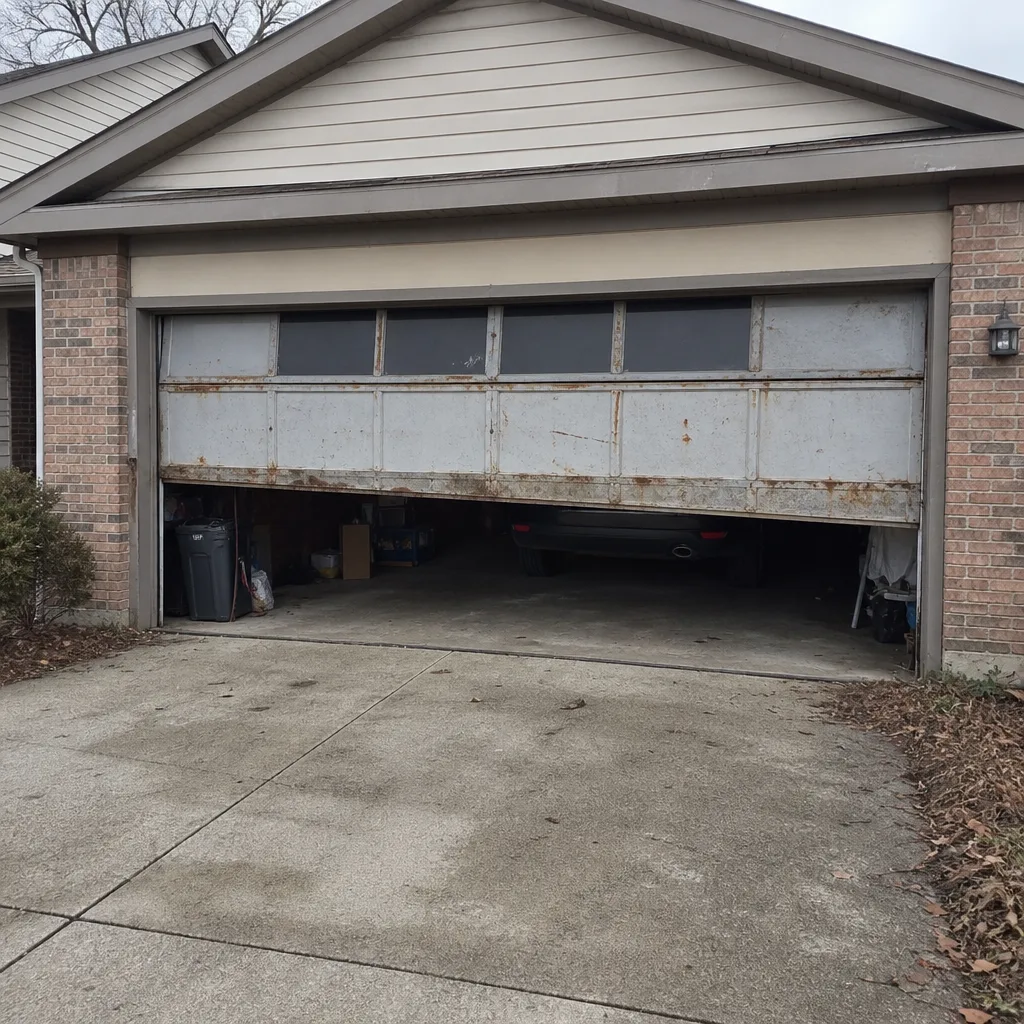 Before
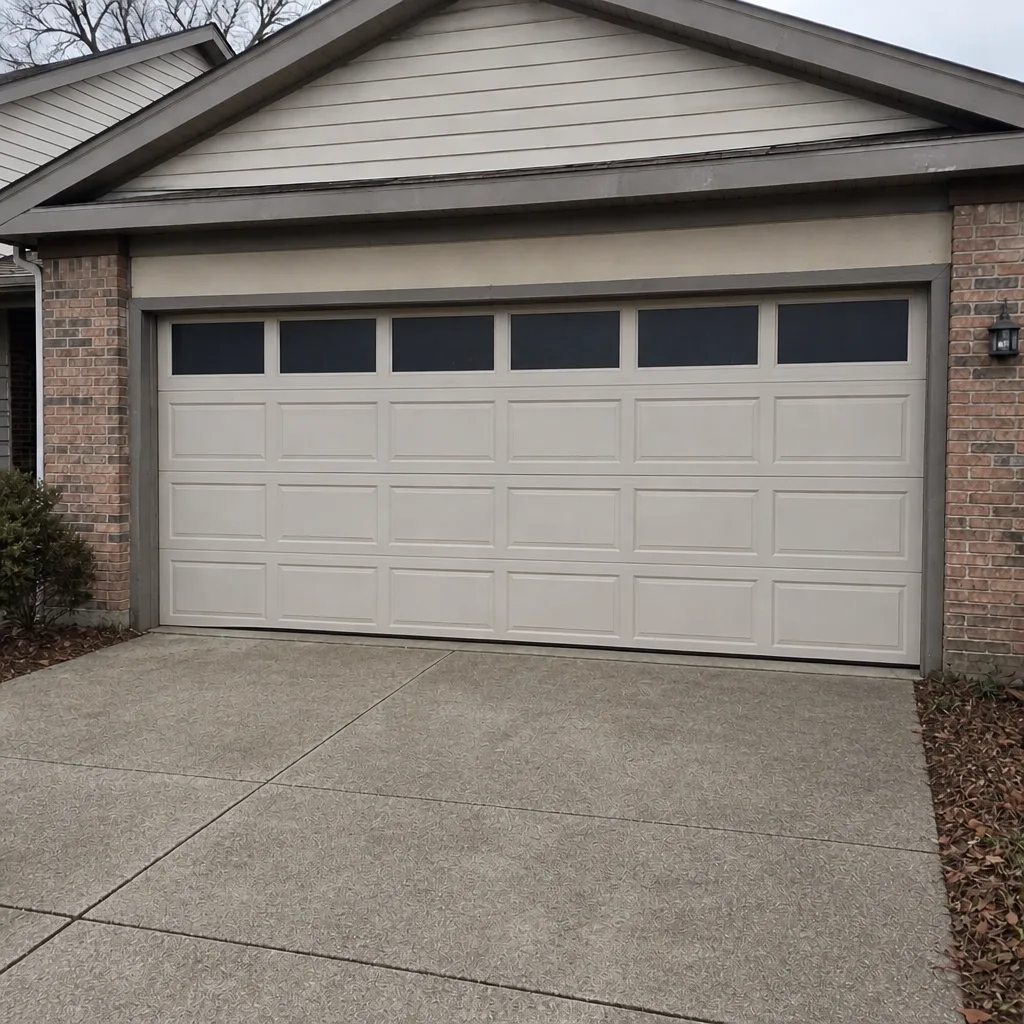 After
When to Call a Professional
Call a specialist if any of these are true: you can see a broken spring, a hanging or off-track door, a frayed or slack cable, or a door that won’t stay closed. Call if the door fails the sixty-second balance test, if the opener reverses at mid-travel even after the sensors are clean, or if a grinding noise gets worse on the second or third open. Don’t call for a routine squeak after the first cold snap; that can often wait for a scheduled service and a lubrication. When you’re not sure, call and describe the symptom. A trained technician can usually tell from the sound or behavior whether the door is safe to use until an appointment.
Garage Door Repair Westerville offers free estimates in Westerville. Call (855) 771-0571 and describe what your door is doing. Our technicians have up to 9 years of experience, and every job we do is a garage door job, from garage door repair to springs to openers to new-door installation.
Frequently Asked Questions
A single torsion spring repair in Westerville typically runs from about $180 to $340, and a matched pair is usually replaced together so you should expect roughly double that for a pair. The price depends on the door’s size and weight, the spring type, and whether any cables or bearings are also worn. The written estimate you get before work starts is the price, so there’s no surprise when the job is done. Call (855) 771-0571 for an exact quote, and estimates are free.
No. A garage door with a broken spring should stay closed until it’s repaired, because the opener and cables are trying to lift the full weight of the door and the door can come down unpredictably. The opener will strain, and the door can drop. Keep everyone clear and call for service rather than testing it.
A door that reverses mid-travel is usually detecting resistance, not a sensor problem. The common causes are a binding roller or track, a seized hinge, or a spring that’s losing tension and leaving the door unbalanced. Lift the door by hand with the opener disengaged and see if it moves freely; if it binds or feels heavy, the door is the issue. Call (855) 771-0571 and describe where the reversal happens, and we can usually narrow it down before we arrive.
Simple repairs like springs, rollers, and openers usually don’t require a permit, but full door replacement sometimes does depending on how your city classifies the work. Ask your city’s building department before you schedule a replacement, and the answer for your address can settle it quickly. We can also answer questions about typical installation steps and inspections when we give you an estimate.
Run the sixty-second balance test described in this guide. With the opener disengaged, lift the door to about waist height by hand and let go. A balanced door stays roughly where you left it; a door that sinks is heavy and likely has a failing spring; a door that rises on its own is over-tensioned. Either result means the door should be inspected when the balance is off.
Yes, for urgent situations like a door stuck open, a broken spring, a non-functional opener, or a door that leaves your home unsecured, emergency garage door service is available. We treat these as core service, not an add-on. Call (855) 771-0571 first thing and describe what’s happening, and we’ll tell you the fastest safe option. If it’s a routine noise or a seasonal squeak, we can schedule a normal appointment instead.
The Bottom Line
Garage door warning signs are mechanical-specific, and the homeowners who catch them early are the ones who can name the symptom. Grinding points to rollers and lubrication; banging points to the spring; a reversing door points to sensors, force settings, or binding; a floor gap points to lost balance. The sixty-second overnight test catches a spring imbalance before it becomes a broken spring, and the stop-using vs. monitor triage tells you when to act now and when to schedule. In Westerville, cold snaps and freeze-thaw cycles make these signs show up sooner than you’d expect. Describe the symptom, not just “it’s acting up,” and you’ll get a faster, more accurate repair. Call (855) 771-0571 for a free estimate.
Written by the team at Garage Door Repair Westerville.