Last updated November 22, 2026
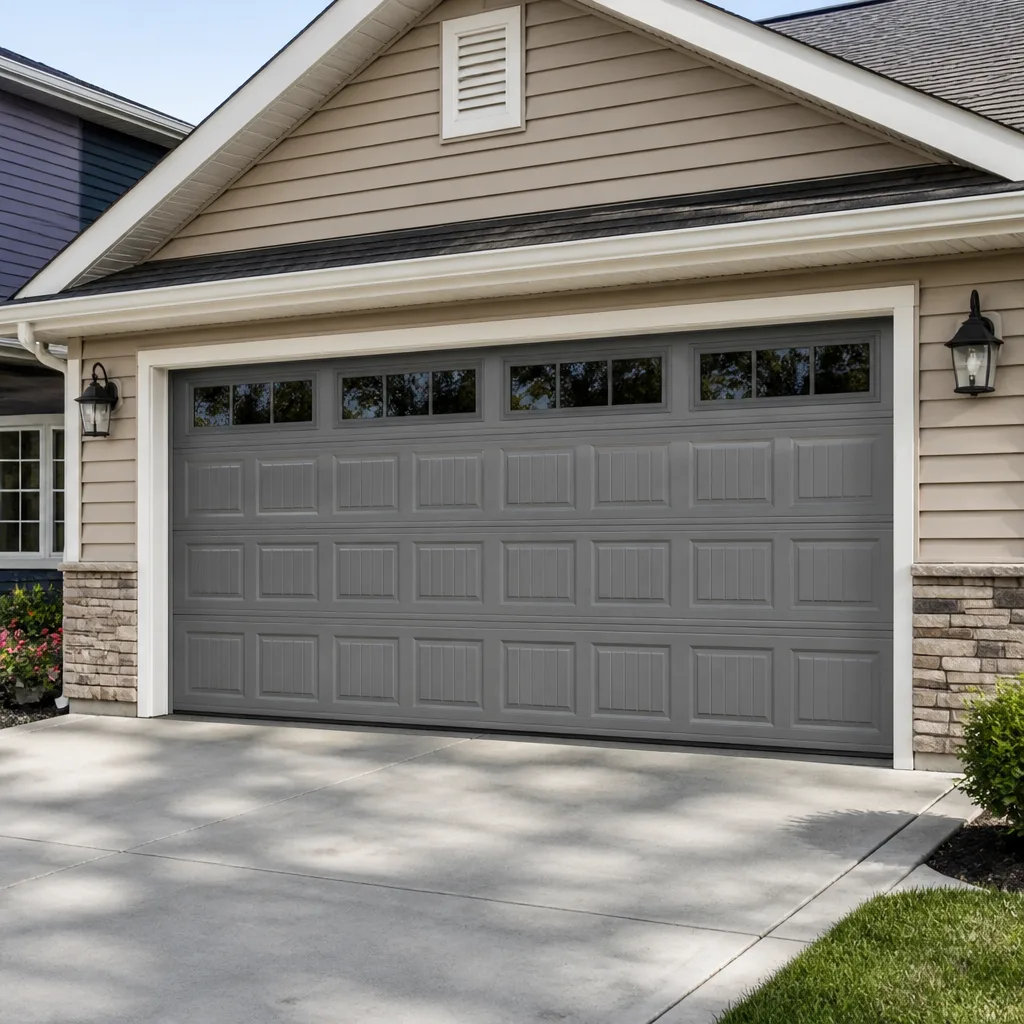 Raised-panel steel
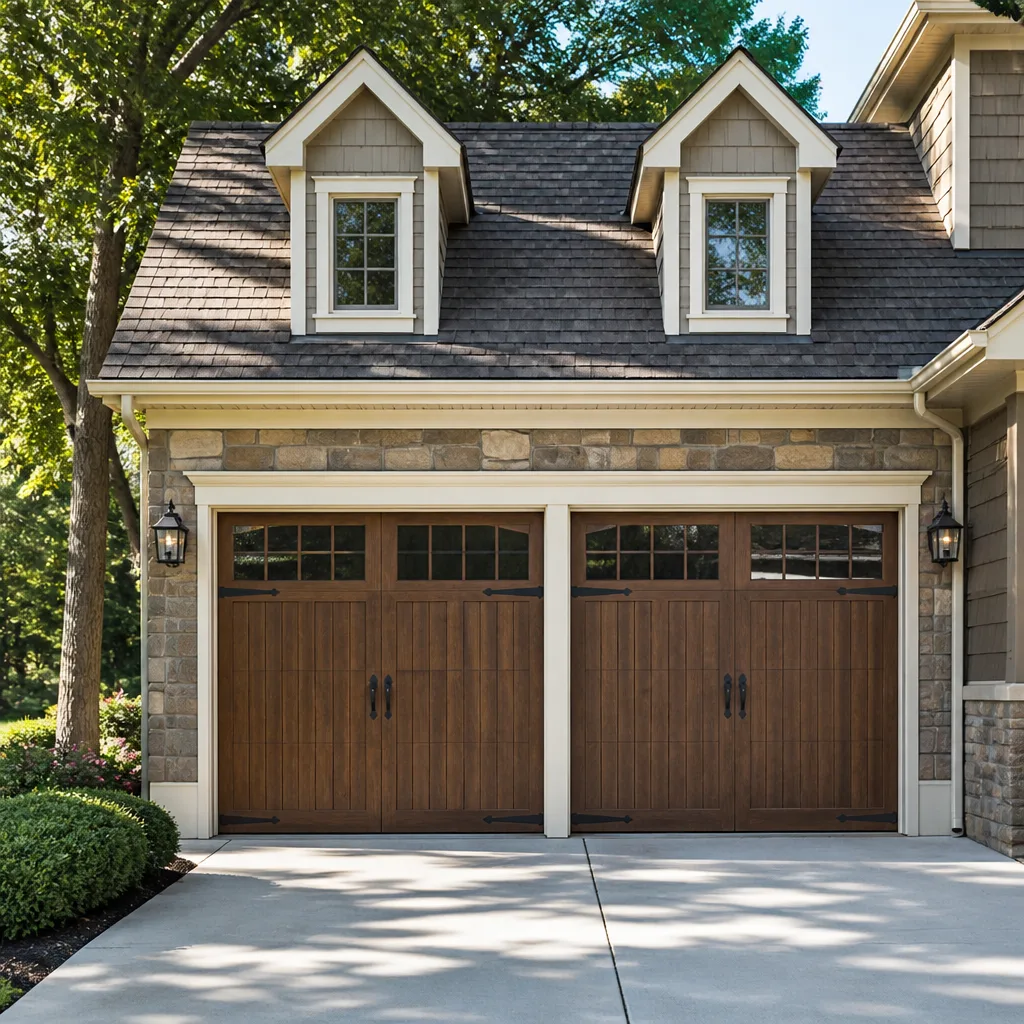 Carriage house
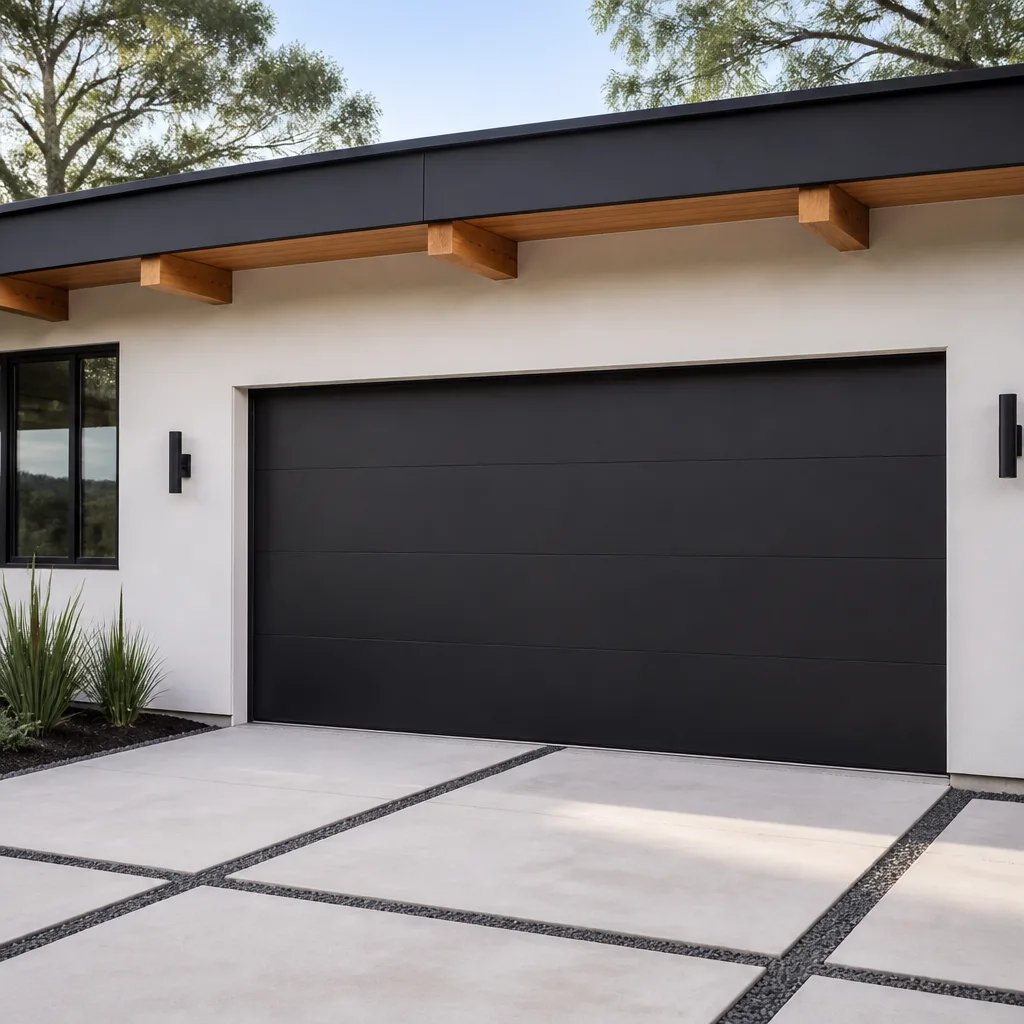 Modern flush
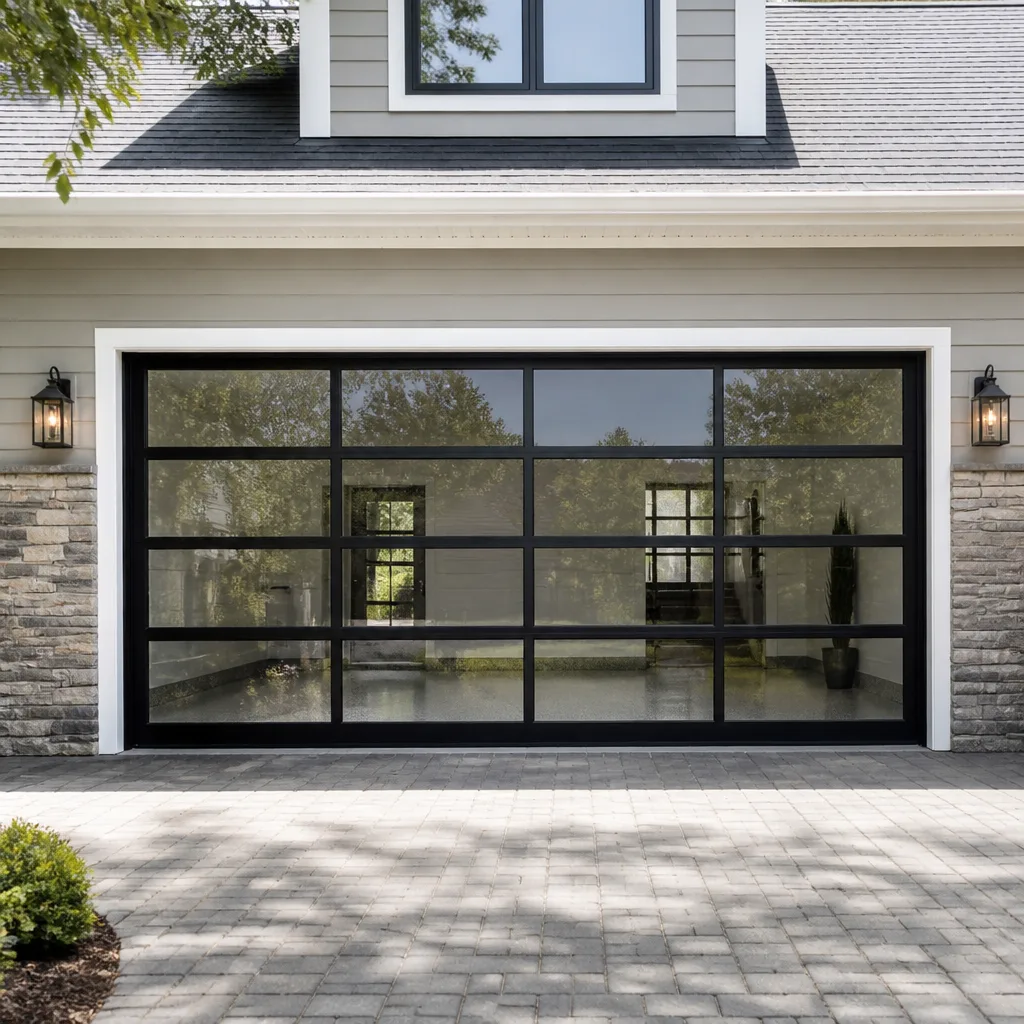 Full-view glass
 LiftMaster openers
 Chamberlain openers
Full 25-point door and opener safety check with every visit - springs, cables, rollers, tracks, and your LiftMaster or Chamberlain opener included
You get a price before we start. It does not change when the pro arrives.
Get your free estimateSeasonal Garage Door Care for Westerville: Year-Round Homeowner’s Guide
Most homeowners assume January is the cruelest month for a garage door. In Westerville, it usually isn’t. March is. A single week here can swing from 15°F to 55°F and back again, and that repeated expansion and contraction works on seals, tracks, and opener batteries harder than a steady cold snap ever does. Cold is stable. Thaw-freeze-thaw is not. That’s the idea behind this guide: each of Westerville’s four seasons stresses a different part of your door, so the useful question isn’t “how do I maintain a garage door” but “what is this season doing to my door right now, and what should I check because of it?” We’ll walk through all four quarters, name the components that take the hit, and give you a single annual test that covers the most ground if you only ever do one thing. Plenty of it is specific to how doors behave in central Ohio weather and in Westerville’s housing stock.
Quick Answer
Seasonal garage door care in Westerville means matching your maintenance to what each season actually stresses: spring thaw and road salt attack the bottom seal and hardware, summer heat thins lubrication and warps sun-facing panels, fall is the right window to prep for winter and replace springs before they fail, and winter puts the load on your emergency release, floor threshold, and opener battery backup. If you do nothing else, run the balance-and-force test once a year and watch for a door that drifts, jerks, or reverses on its own. A trained technician should handle springs, cables, and anything involving the door’s tension system.
Styles & brands we work with
- Raised-panel steel
- Carriage house
- Modern flush
- Full-view glass
- LiftMaster openers
- Chamberlain openers
Table of Contents
- Spring: The Post-Winter Inspection That Actually Matters
- Summer: Heat, Lubrication, and West-Facing Sun
- Fall: The Pre-Winter Prep Sequence
- Winter: Releases, Thresholds, and Battery Backup
- The One Annual Test That Covers the Most Ground
- Common Mistakes to Avoid
- When to Call a Professional
- Frequently Asked Questions
Spring: The Post-Winter Inspection That Actually Matters
By the time the last frost clears in Westerville, your door has spent months cycling through freeze and thaw. Spring is when you find out what that cost you. The inspection priorities are specific, and they’re driven by two things winter leaves behind: road salt tracked onto the door and hardware, and the thermal shifts that loosen what was tight in November.
Check these first, in this order
- Bottom seal and weatherstripping. Cracked, brittle, or torn rubber along the bottom edge lets water and cold air in and is the most common spring find. If it crumbles when you press a thumbnail into it, it’s done.
- Bottom brackets and the lowest hinge points. Road salt and slush splash up here all winter. Look for white crust, rust blooms, or pitting on the metal. Left alone, corroded hardware seizes and starts pulling on the door unevenly.
- Tracks and rollers. Freeze-thaw cycles shift the ground and the structure slightly, and tracks that were plumb in fall can be out of alignment by spring. A door that rubs or catches on one side is telling you the track moved.
- Opener force settings. This is the one most homeowners skip. After a winter of thermal cycling, the door’s travel resistance changes, and an opener that was set correctly in autumn may now reverse too easily or push too hard. Recalibrating the force and travel limits is a spring task, not a someday task.
Why spring force recalibration matters
Openers are built to sense resistance and reverse. When the door’s seals stiffen or a track shifts a fraction, the opener reads that as an obstacle. Genie and LiftMaster units both let a technician adjust force and travel limits precisely, which is why we recommend booking a spring tune-up rather than guessing at the settings yourself. Set too high, and the opener keeps pushing through a real obstruction; set too low, and the door reverses halfway up for no obvious reason. Either way, it’s a safety setting, so it’s worth getting right.
Spring is also when a door that’s been quietly straining all winter will finally show it. If you noticed the door getting heavier to lift by hand, or the opener laboring, the springs are the likely cause. That’s a job for a professional – we’ll explain why under the fall section, but garage door spring repair is not a homeowner task. For everything else, spring is the season to catch small problems before summer heat makes them worse.
Summer: Heat, Lubrication, and West-Facing Sun
Summer in central Ohio is warm and humid, and it does two things to your garage door that winter doesn’t. It thins out lubrication, and it bakes the panels that face the afternoon sun. Both are gradual, which is why they’re easy to miss until something sticks or warps.
Heat and lubrication viscosity
Garage door lubricant is a balance. In cold weather you want something that stays put and doesn’t gum up; in heat you want something that doesn’t thin out and run off the hinges, rollers, and springs. A lubricant that’s perfect in January can turn watery by July and drip away from the moving parts within weeks. When a door starts squeaking or groaning in summer, thin lubrication is often the cause rather than worn parts. The fix is a heat-stable lubricant applied to hinges, rollers, and the torsion or extension springs – and wiping off excess rather than layering it on.
Direct west-facing sun and warped panels
This is a real Westerville issue, and it’s one a lot of generic maintenance guides ignore. Many of the east-side developments here have garages with doors that face west, straight into the afternoon sun. Over a summer, that exposure heats the door’s exterior surface far above air temperature. Vinyl and composite panels are the most vulnerable: they can bow, cup, or develop a wavy surface that no longer seals flush against the frame. Steel panels hold up better but can still fade or, on insulated doors, show heat stress at the seams.
- Vinyl and composite: watch the panel edges and the middle of each section for bowing or a gap when the door is closed. Heat warping usually shows up first in the widest, least-braced panels.
- Steel: check for fading, bubbling paint, or rust at the bottom seam. Summer humidity plus a compromised finish is how rust gets a foothold.
- Clopay and similar insulated doors: these handle heat well, but a seam that starts to separate lets moisture in behind the insulation. That’s a repair, not a cosmetic issue.
If your west-facing door has warped panels, the honest answer is that no amount of lubricant fixes it – it’s a panel or door replacement question. A Clopay or comparable replacement panel is usually the practical route, but it needs to be measured and ordered rather than patched. Also worth noting: a door that’s out of balance or has a worn torsion spring will feel the heat more, because the opener works harder against a heavier load. If summer heat has exposed a door that’s been sluggish all along, garage door opener repair can sort out whether the problem is the opener or the door itself.
Fall: The Pre-Winter Prep Sequence
Fall is the most valuable maintenance window of the year in Westerville, because it’s your last chance to get the door ready before the freeze sets in and everything gets harder to fix. Do these tasks in order, and do them before the first hard frost. The sequence matters: lubing a door with worn springs wastes the lubricant, and adjusting an opener before the door is balanced just fights the imbalance.
The fall pre-winter sequence
- Balance the door first. Disconnect the opener (pull the release) and lift the door halfway by hand. It should stay put. If it drifts down or slams up, the springs are out of adjustment and shouldn’t be left for winter. This is a professional adjustment.
- Inspect and replace the bottom seal. A seal that held through summer cold or cracked in the heat won’t keep out winter drafts. Replace it before the cold makes the rubber stiff and hard to seat.
- Lubricate for Ohio temperatures. Use a lubricant rated to stay flexible through central Ohio winter lows and not run off in summer heat – a light, temperature-stable product for hinges, rollers, and springs. Avoid heavy grease that thickens in cold and leaves the door straining.
- Tighten hardware. Vibration from a season of use loosens bolts on hinges, brackets, and the track. A quick tightening pass in fall prevents the rattles and misalignment that show up mid-winter.
- Test the safety reverse. Put a scrap of wood flat on the floor, close the door, and confirm it reverses on contact. Also test the photo-eye sensors by blocking the beam. Both are critical before winter, when a door stuck open in the cold is a much bigger problem.
- Check the opener’s battery backup. If your opener has a battery backup (many LiftMaster and Chamberlain models do), test it now so you’re not discovering a dead battery during an ice storm.
Why fall is the best time to replace springs proactively
Cold makes springs more brittle. A torsion spring that’s been cycling for a while and is already near the end of its life is far more likely to snap in January than in October, and a snapped spring in the middle of an ice storm leaves you with a door you can’t open. Replacing a tired spring in fall, while the weather is workable and the door isn’t an emergency, is the sensible call. It’s also cheaper in the sense that you’re not paying for emergency service – and a matched pair of springs is usually replaced together, so a pair costs roughly twice a single spring. For Westerville homeowners who’d rather not gamble on a winter failure, fall is when to schedule it. If you’re not sure whether your springs are due, garage door repair can check them as part of a general inspection.
Winter: Releases, Thresholds, and Battery Backup
Winter is when your garage door has the least margin for error. The parts are stiffer, the opener works harder, and a failure in January means a cold house or a trapped car. Three things deserve attention in a Westerville winter.
Test your emergency release before you need it
Every opener has a manual release – usually a red cord – that disconnects the door from the opener so you can open it by hand. It only works if it hasn’t seized or been yanked out of position. Test it on a mild day: pull the release, lift the door manually, and confirm it moves freely, then re-engage it and run the opener. If the release sticks or the door is too heavy to lift by hand once disconnected, your springs are the problem and you should call before winter really sets in.
Keep the floor threshold ice-free
The bottom seal only works if the floor under it is clear. Snow, slush, and refrozen meltwater pile up at the threshold, and a door that closes onto an ice ridge can’t seal – cold air pours in, and repeated attempts to close stress the opener and the seal. Keep the threshold clear, and if you notice water pooling and refreezing, that’s a drainage issue worth sorting before it cracks the seal again.
Why battery backup matters in central Ohio ice storms
Ice storms knock out power, and a garage door opener without battery backup stops working entirely. If your car is inside and the power is out, you’re using the manual release in the dark. Openers with battery backup keep working through an outage. If your current opener doesn’t have it, it’s worth considering a replacement before the ice season – a LiftMaster or Chamberlain unit with battery backup is the practical upgrade. Winter is also the season for the most dangerous failures: a broken spring or snapped cable in cold weather can drop the door. Never try to fix a door that’s stuck or unbalanced in winter conditions yourself; that’s Garage Door Repair Westerville territory, and it’s genuinely dangerous work.
The One Annual Test That Covers the Most Ground
If you only ever do one garage door maintenance task a year, make it the balance-and-force test. It catches the two failure modes that matter most – a door that’s out of balance because the springs are tired, and an opener whose force settings are wrong – and it takes ten minutes. Here’s how it works, and what counts as a pass or fail.
Step-by-step balance and force test
- Disconnect the opener. Pull the manual release so the door is free to move by hand.
- Lift the door to halfway. Raise it to roughly waist height and let go.
- Watch what happens. Pass: the door stays where you left it, or drifts only slightly. Fail: it drops on its own or springs upward. That means the springs are out of balance and a technician should adjust them.
- Lower the door fully, then reconnect the opener. Re-engage the release and run the opener up and down a couple of times.
- Test the force/reversing function. Put a piece of wood flat on the floor under the closing door. Pass: the door reverses immediately on contact. Fail: it presses down on the wood before reversing, or doesn’t reverse at all. Adjust the force setting (a technician can do this precisely).
- Test the photo-eye sensors. With the door closing, block the beam with your leg or an object. Pass: the door reverses. Fail: it keeps closing. Clean the lenses first; if it still fails, the sensors need attention.
What pass and fail actually tell you
A door that fails the balance test has a spring problem, and that’s not a DIY fix – torsion springs are under extreme tension and can injure you badly if handled wrong. A door that fails the force test but balances fine usually has an opener adjustment issue. A door that fails the sensor test has a safety problem that should be fixed before anyone uses the opener again. Run this test once a year, ideally in early fall before winter. If anything fails, it’s a call, not a project. Our technicians have up to 9 years of experience with exactly these diagnostics, and a wrong force setting is one of the easiest things to fix once you know to look for it.
Common Mistakes to Avoid
- Lubricating with the wrong product. Heavy grease that’s fine in summer can thicken and strain the opener in a Westerville winter. Use a temperature-stable lubricant made for garage doors, not general-purpose grease.
- Ignoring the bottom seal until it fails. A hardened seal lets in cold air and water all season and can’t be coaxed back to life. Replace it in fall, not after the first freeze.
- Adjusting opener force yourself without testing. Turning up the force to stop nuisance reversals can make the opener push through a real obstruction. Test the safety reverse after any adjustment, or let a technician set it.
- Skipping the fall balance test. It’s the cheapest early warning you have. A door that’s out of balance in October will likely fail in January, when a repair is more urgent and more expensive.
- Trying to fix springs or cables. These parts are under extreme tension and are genuinely dangerous. A snapped spring or a cable that’s come loose is a call-a-professional situation, every time.
- Assuming heat warping is cosmetic. A bowed vinyl or composite panel on a west-facing door doesn’t just look bad; it fails to seal and lets water behind the panel. Get it checked before it spreads.
- Forgetting the emergency release. A release that’s seized or misaligned is useless when the power’s out. Test it once a year, ideally in fall.
When to Call a Professional
Some seasonal care is homeowner work: lubricating hinges, testing the safety reverse, clearing the floor threshold, replacing a bottom seal. Other jobs belong to a trained technician, and the line is clear. Call a professional for anything involving the springs, cables, or torsion system – those parts are under extreme tension and can cause serious injury. Call if your door fails the balance test, drifts on its own, jerks or catches on one side, or reverses without an obvious cause. Call if a winter failure leaves the door stuck open or a car trapped. And call if summer heat has warped a panel beyond a simple seal fix. Our technicians service eight major brands – LiftMaster, Chamberlain, Genie, Clopay, Amarr, Wayne Dalton, Craftsman, and Raynor – so whatever system you already own, we diagnose it correctly the first time. Garage Door Repair Westerville offers free estimates in Westerville – call (855) 771-0571. The price is quoted and agreed before any work starts, with no surprise invoice after.
Frequently Asked Questions
Once a year for a full tune-up, with a quick balance-and-force test in between. Fall is the ideal time for the full service in Westerville, because it readies the door for winter and lets you replace tired springs before the cold makes a failure more likely. If your door gets heavy use or faces west into strong summer sun, a spring check is worth doing more often. Call (855) 771-0571 to book an estimate.
Because March in central Ohio swings between cold and mild repeatedly, and that temperature cycling works on seals, tracks, and opener settings harder than steady cold does. A January cold snap is stable; a March thaw-freeze-thaw cycle repeatedly expands and contracts the door’s components. That’s why a spring inspection and force recalibration are worth prioritizing as the weather turns. If your door starts reversing or catching in March, call us for a look.
No – springs are under extreme tension and a wrong move can cause serious injury. This is one of the most dangerous jobs in the trade, and it’s the reason spring work belongs to a technician. A safe estimate for spring repair is best arranged by a professional who can also check the rest of the door while they’re there. Call (855) 771-0571 and we’ll quote before any work starts.
Sometimes – a single warped panel can usually be replaced, while a door with several warped sections may be better replaced as a whole. The right fix depends on the material and the extent of the warping. Heat damage doesn’t reverse itself, so it’s worth having it looked at before the seal fails further. We service Clopay and other major panel systems. Call for a free estimate.
Use the manual emergency release – the red cord on your opener – to disconnect the door and lift it by hand. Make sure the release is tested and working before winter, since a seized release is useless in an outage. If the door is too heavy to lift manually once disconnected, your springs need attention. For an opener with battery backup, the door keeps working through the outage. Call (855) 771-0571 if your release or springs need help.
No – we quote the price and get your agreement before any work begins, so the written estimate is the price. That’s true for seasonal tune-ups, spring repair, and opener work alike. If a job turns out to need something beyond the quote, we’ll tell you before doing it. Call (855) 771-0571 for a free estimate – the number we quote is the number you agree to.
The Bottom Line
Westerville’s four seasons stress different parts of your garage door, so care that ignores the calendar misses the point. Spring is for the post-winter inspection: seals, hardware, tracks, and opener force settings after months of thermal cycling. Summer is heat and lubrication, with special attention to the west-facing doors common on the east side. Fall is the most valuable window – run the balance test, replace tired springs, and prep for winter while the weather works with you. Winter is about releases, thresholds, and battery backup. If you only do one thing, run the annual balance-and-force test and watch for a door that drifts, jerks, or reverses on its own. When anything involving springs, cables, or a winter failure comes up, that’s a call, not a project.
Garage doors are all we do, and we do them completely – from seasonal tune-ups to emergency repair and full installation. We service LiftMaster, Chamberlain, Genie, Clopay, Amarr, Wayne Dalton, Craftsman, and Raynor systems, so your exact brand gets diagnosed correctly the first time. Call (855) 771-0571 for a free estimate in Westerville, and we’ll quote the price before any work starts.
Written by the team at Garage Door Repair Westerville.
See the difference
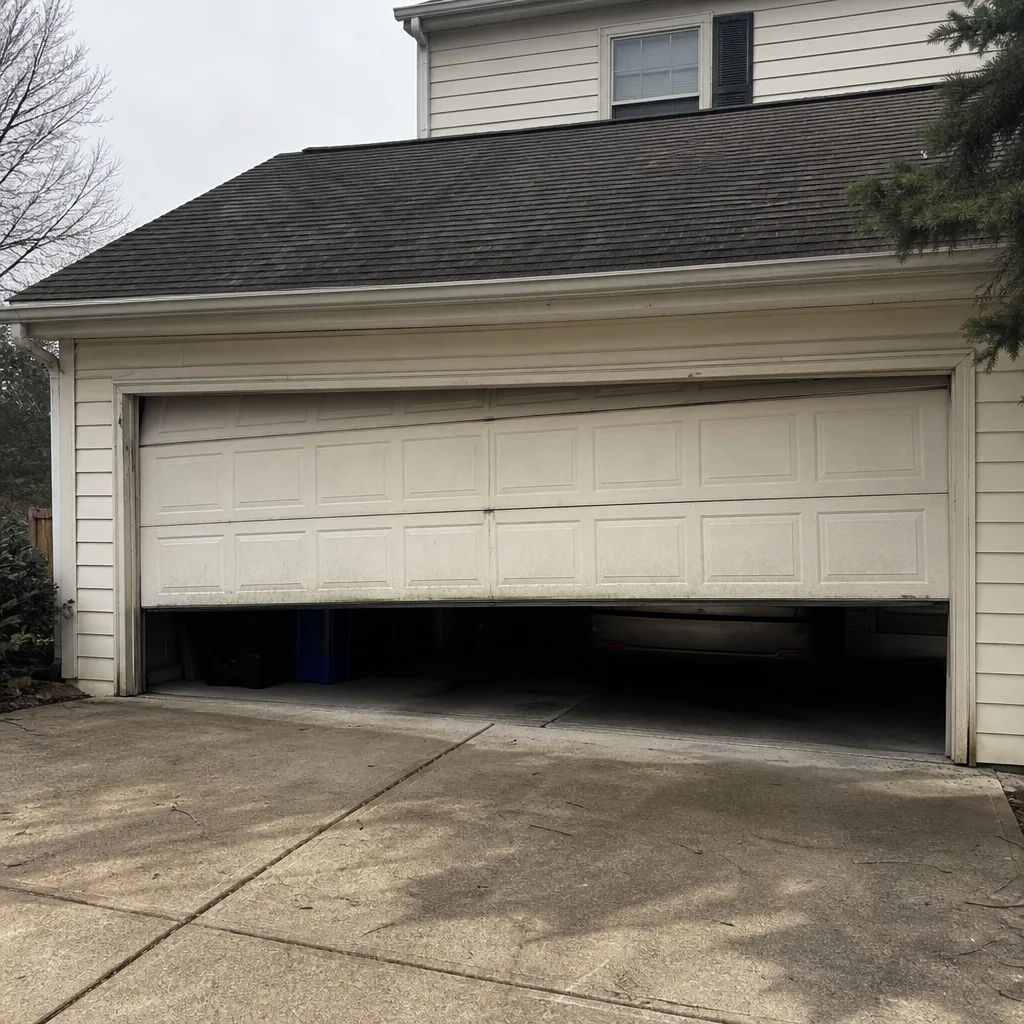 Before
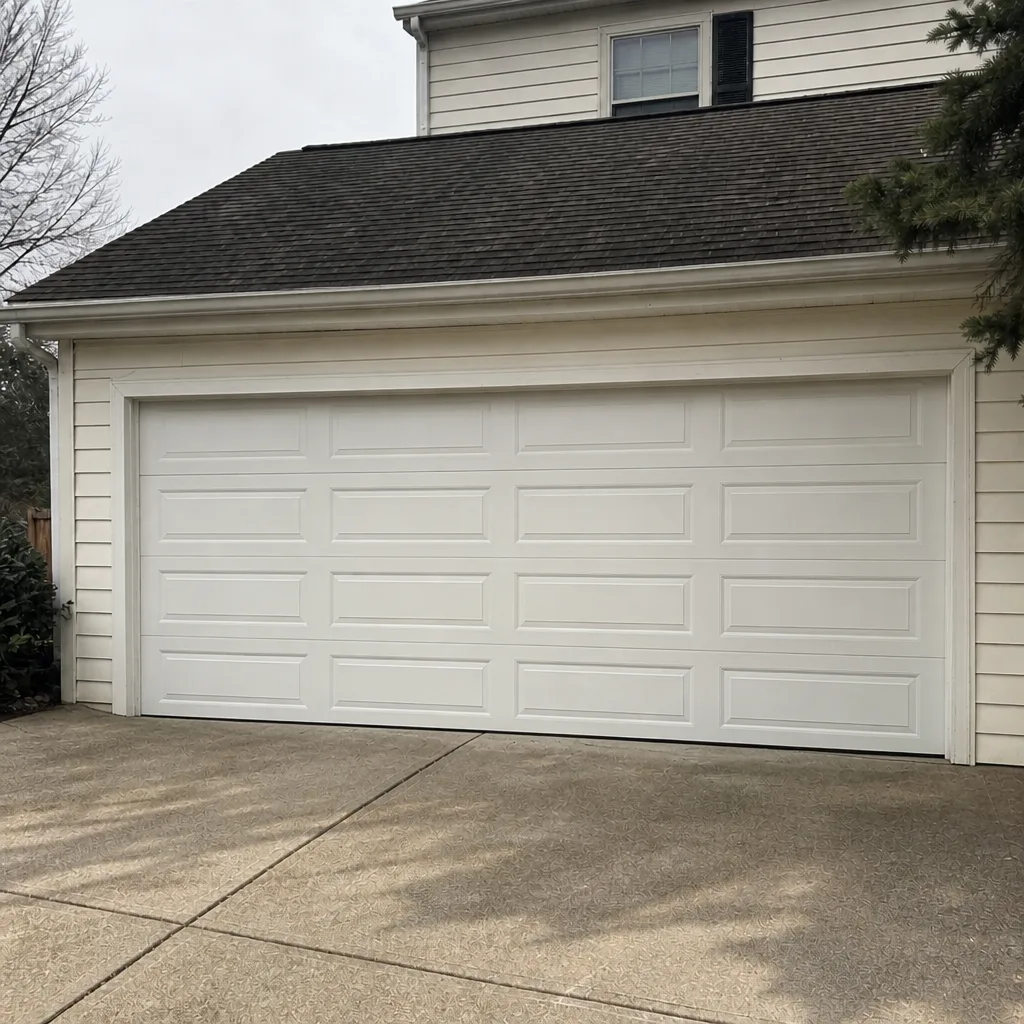 After
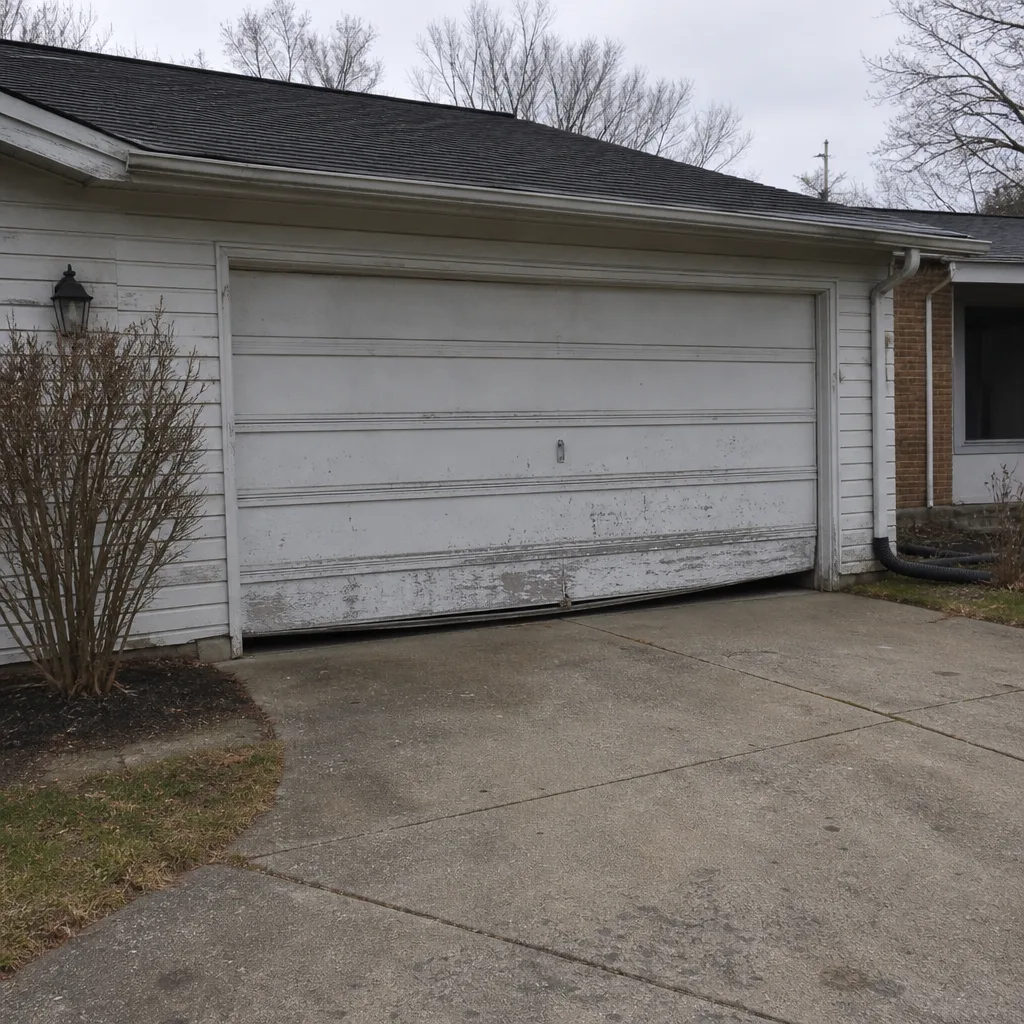 Before
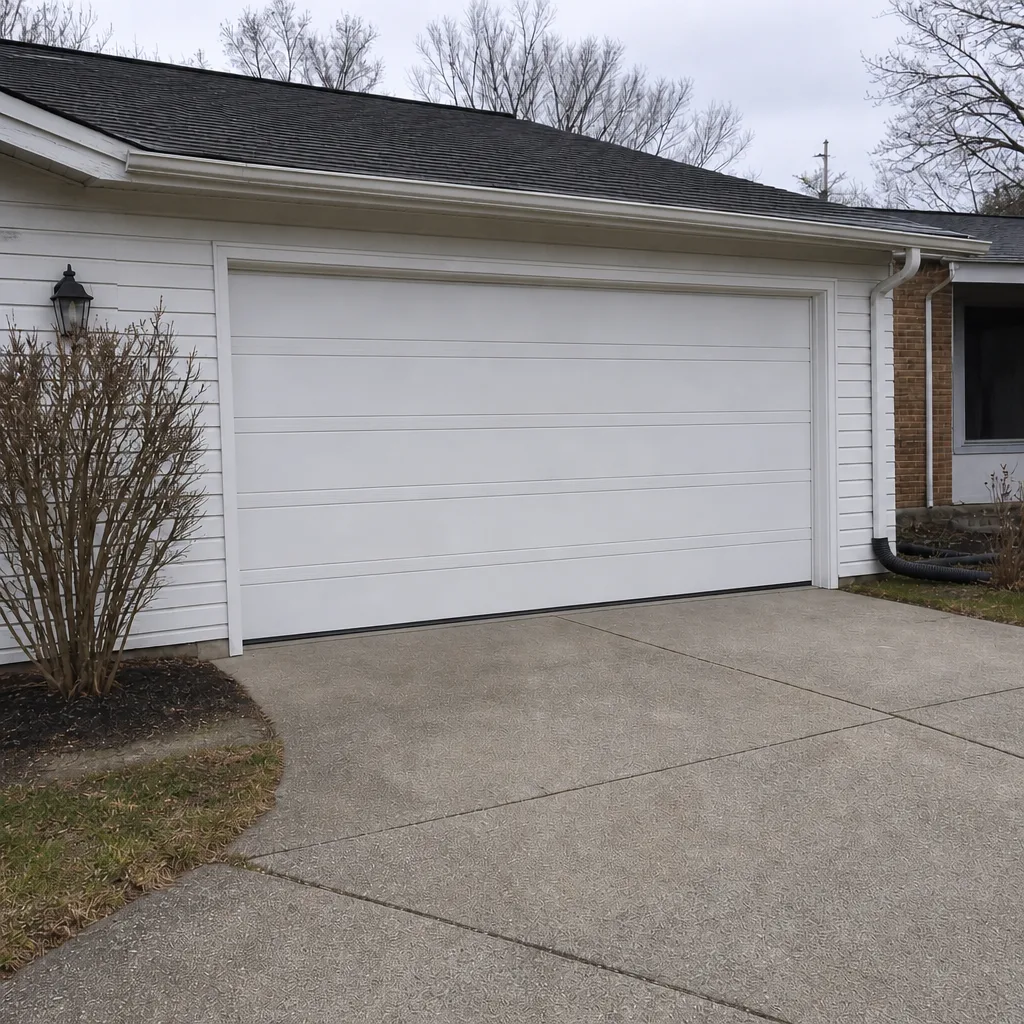 After
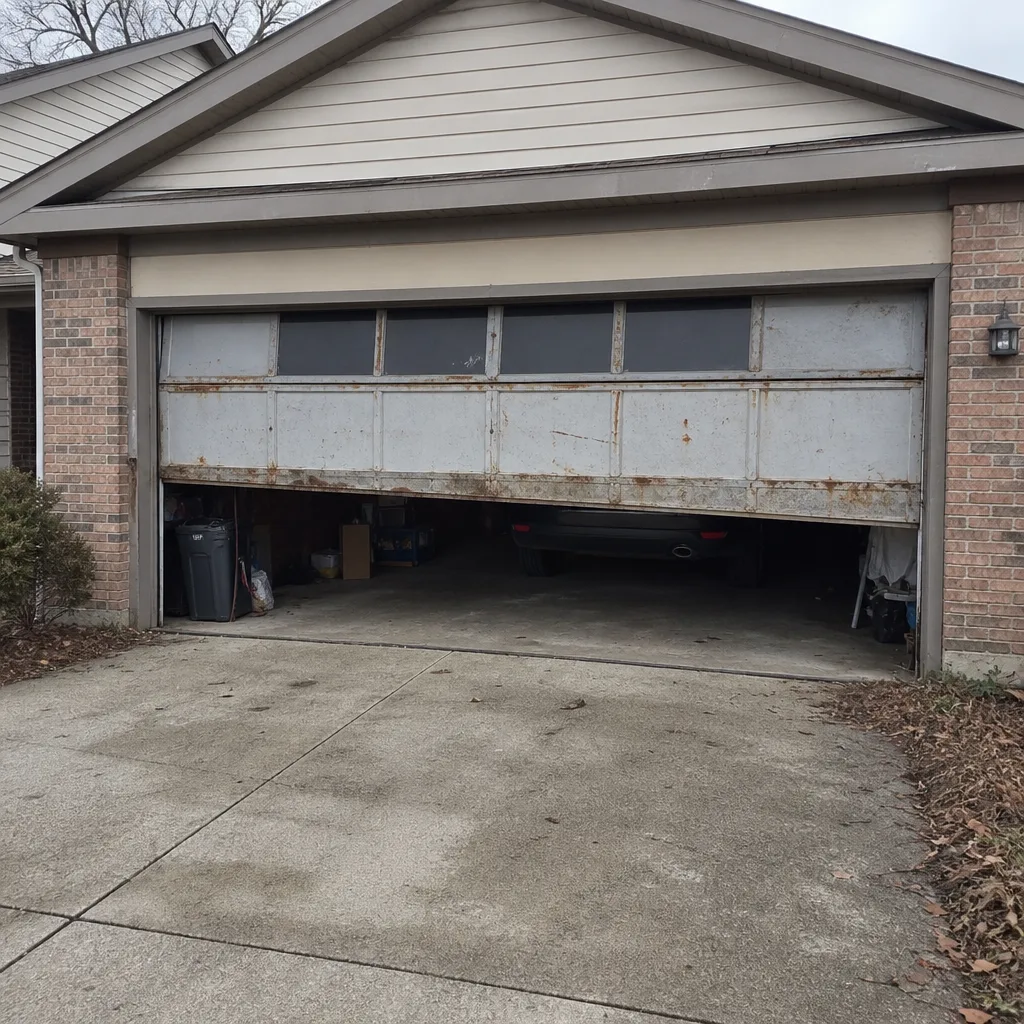 Before
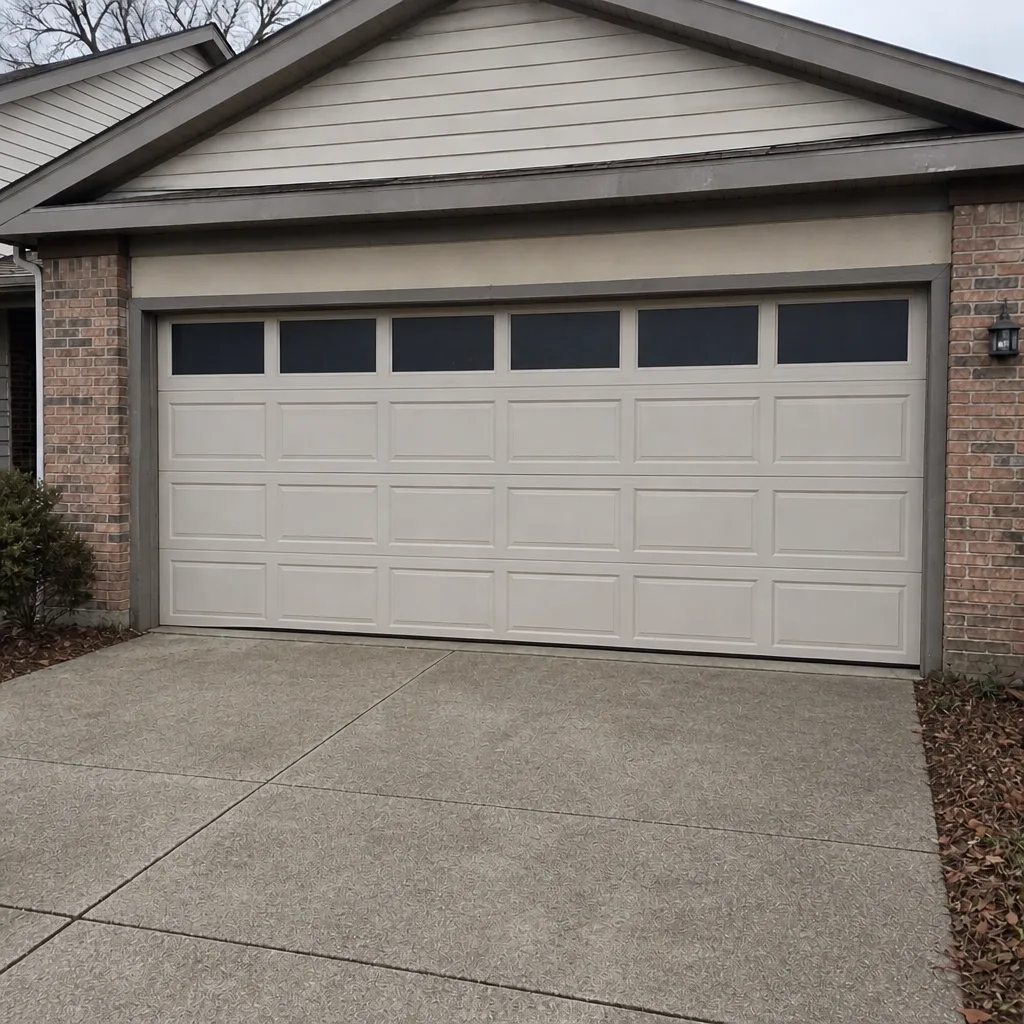 After