Last updated November 22, 2026
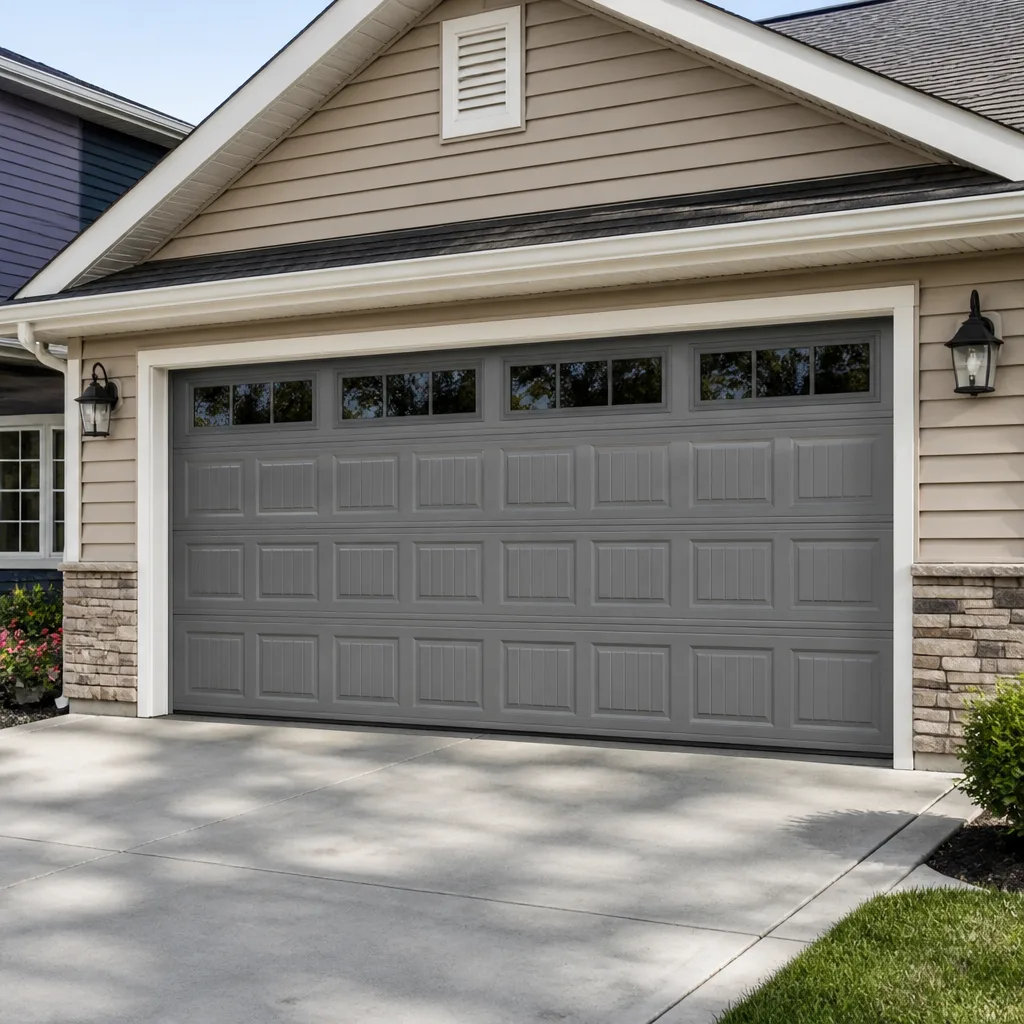 Raised-panel steel
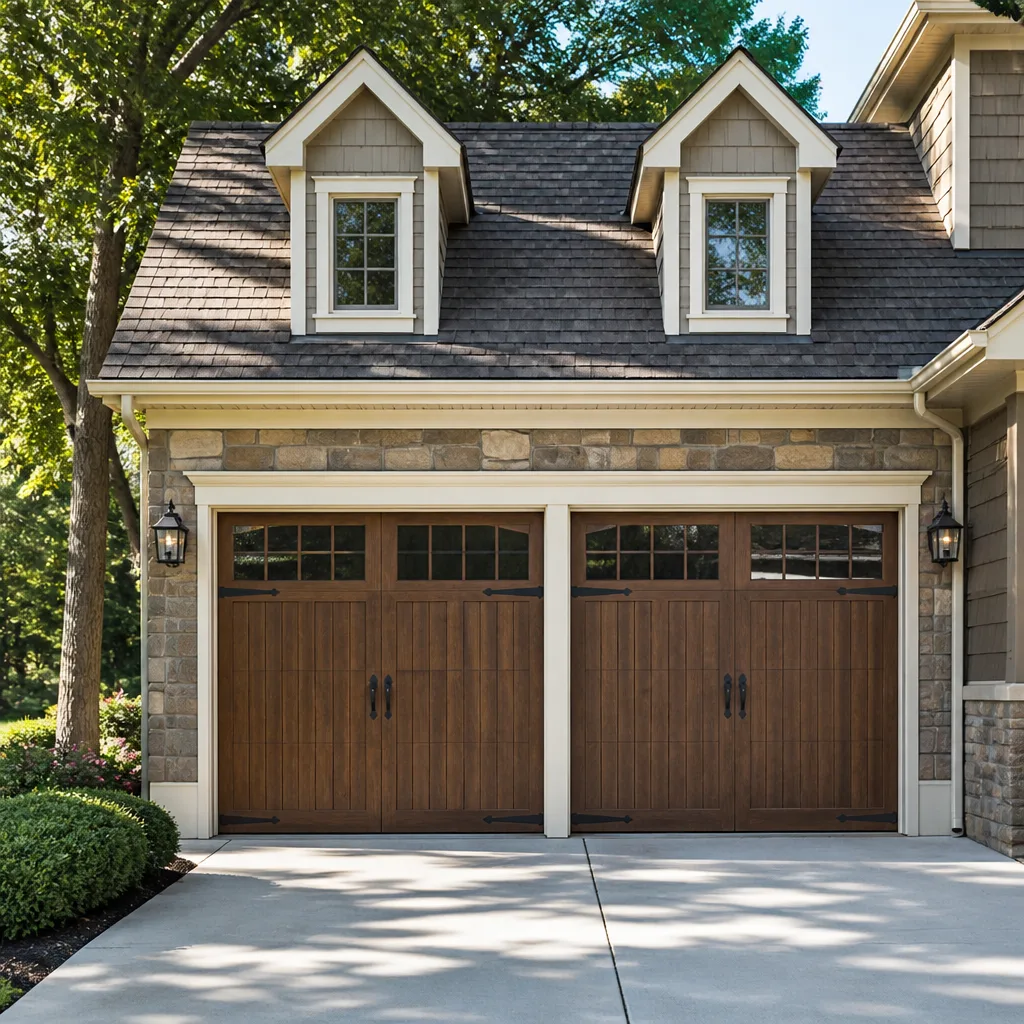 Carriage house
 Modern flush
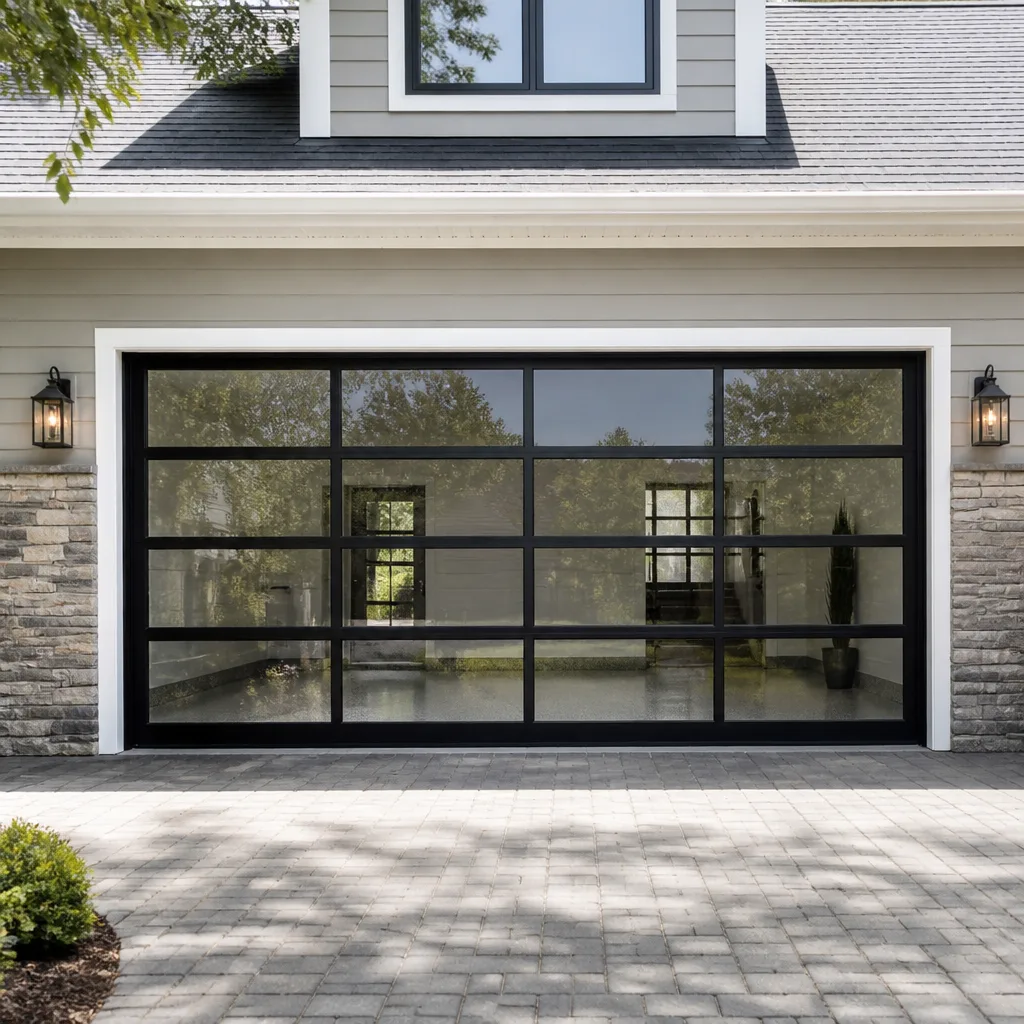 Full-view glass
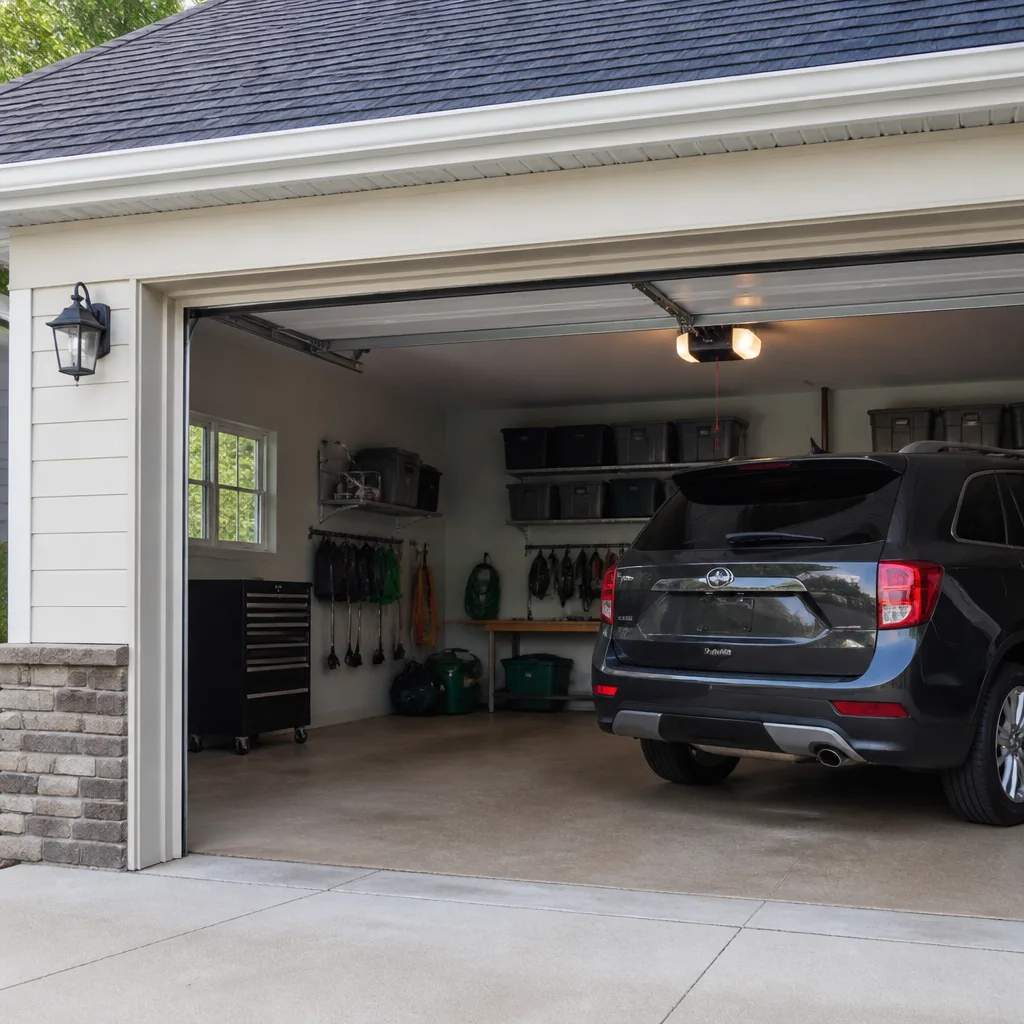 LiftMaster openers
 Chamberlain openers
Full 25-point door and opener safety check with every visit - springs, cables, rollers, tracks, and your LiftMaster or Chamberlain opener included
You get a price before we start. It does not change when the pro arrives.
Get your free estimateGarage Door Emergency Preparedness Guide for Westerville Homes
The garage door failure that strands a family usually isn’t a snapped spring or a dead opener. It’s the twenty minutes spent in the cold, phone in hand, with no idea where the manual release cord is or how to use it. Westerville winters hand us ice, hard freezes, and wind, and the calls we field during those stretches are less about broken parts than about unprepared owners. The three real culprits are a power outage with no battery backup, a door that physically won’t disengage from the opener, and pure panic when nobody knows the release procedure. All three are solvable in advance, and this guide walks through exactly how. You’ll learn the manual release for Westerville’s most common opener brands, which systems support battery backup natively, how to handle a door knocked off track during a storm, what belongs in an emergency kit, and what to say when you call so the right technician reaches you faster.
Quick Answer
Most garage door emergencies in Westerville come down to preparation, not parts. If you know where your manual release cord is and how it works on your opener brand, keep a small emergency kit staged in the garage, and can describe the failure clearly when you call, you can get a door open or secured and have a technician on the way instead of guessing in the dark. The steps below cover the three most common opener brands in Westerville homes plus the storm and outage scenarios that catch people off guard.
Styles & brands we work with
- Raised-panel steel
- Carriage house
- Modern flush
- Full-view glass
- LiftMaster openers
- Chamberlain openers
Table of Contents
- What happens to your garage door during a Westerville power outage?
- How do you operate the manual release on LiftMaster, Chamberlain, and Genie openers?
- Which openers support battery backup, and what are your options?
- What should you do when a storm knocks your door off track?
- What belongs in an emergency garage door kit?
- How do you prep a garage door for an ice storm or hard freeze?
- Who should you call, and what should you say?
- Common Mistakes to Avoid
What happens to your garage door during a Westerville power outage?
When the power goes out in Westerville, your garage door stops responding to the remote and the wall button, but the door itself is fine. The opener motor loses power, the door stays locked to the rail, and you can’t lift it by hand until you disengage the opener. That’s the disconnect between the emergency and the panic: nothing is broken, it’s just locked in place until you free it manually.
Power outages during central Ohio ice storms tend to stretch longer than the flickers that come with summer thunderstorms. Ice loading brings down tree limbs onto service lines, and restoration can take hours. In our experience, homes with no battery backup on the opener are the ones that end up calling because a car is trapped inside or the door won’t shut and the house sits open. Neither has to happen if you know the release procedure and stage what you need ahead of time.
Here’s what actually happens to a door in a blackout:
- The opener motor de-energizes and the door is held by the opener’s gear and rail, not the tracks.
- Manual lifting is impossible until you pull the release, because the opener resists the door.
- Once released, the door is on its own springs and you can raise it by hand, though a heavy door or a failed spring changes that.
- When power returns, you have to reconnect the door to the opener before the motor will move it again.
The reconnection step is where people get stuck. On most openers you re-engage the trolley by running the motor and letting the carriage catch the release arm, or by pulling the release cord toward the door. If the door won’t re-engage, don’t force it. That’s a sign the trolley or the release mechanism needs attention, and it’s worth a call to a specialist. If you’re already dealing with a door that won’t respond after power returns, a garage door opener repair visit will sort it out.
How do you operate the manual release on LiftMaster, Chamberlain, and Genie openers?
The manual release on all three brands works on the same principle: a cord or lever disengages the opener carriage from the door so you can move it by hand. What differs is where the cord hangs, how it re-engages, and what commonly goes wrong. LiftMaster and Chamberlain use the same design lineage, so the procedure is nearly identical. Genie openers vary by model, and that’s where people run into trouble.
The general sequence, whatever the brand:
- Make sure no one is standing under the door and the area is clear.
- Locate the release cord, usually a red handle hanging from the carriage on the rail above the door.
- Pull the cord straight down and slightly toward the door until it clicks and the carriage disengages.
- Lift the door by hand slowly, or lower it gently if it’s already open. Never let it drop.
- When power returns, re-engage the carriage by running the opener or following the brand’s reconnection step.
LiftMaster and Chamberlain
These two share the same carriage and release design in most residential units. The cord hangs near the door end of the rail. The common failure is that the cord gets tangled with the rail or a hanging object and won’t pull cleanly, or the handle is out of reach on a high door. What goes wrong during operation is usually the re-engage step: if the door isn’t fully closed when you reconnect, the carriage can catch at the wrong point and the door will travel unevenly. Always reconnect with the door fully down.
Genie
Genie openers use a similar cord-and-carriage release, but on some models the release lever is a small arm rather than a cord, and the re-engage procedure differs. The frequent problem here is a cord that’s been pulled but not fully seated, leaving the carriage half-engaged so the door moves a few inches and stops. If your Genie won’t reconnect cleanly after a manual release, don’t keep cycling it. A Craftsman or Genie system with a stubborn carriage is a quick diagnostic for a technician, and it’s better handled than forced.
A word of caution: the manual release only frees the door from the opener. It does nothing about the springs, which carry the door’s weight under high tension. Never try to adjust or touch the springs or cables, and if the door feels impossibly heavy when you lift it by hand, stop. That’s a spring problem, and it needs a trained professional. Spring work is one of the most dangerous jobs in this trade, and it’s exactly what our garage door spring repair specialists handle.
Which openers support battery backup, and what are your options?
Battery backup keeps your opener working when the power drops, and whether you can add it depends on the opener. Some newer LiftMaster and Chamberlain models build it in and take a replaceable battery pack. Older units and many Genie models don’t support a factory backup and need a workaround. Knowing which camp your opener falls into is the difference between a door that opens in a blackout and one that doesn’t.
Here’s how it breaks down by brand:
- LiftMaster: Many current models support a factory battery backup with a dedicated battery pack that recharges from the opener. This is the cleanest option because it’s designed for the unit.
- Chamberlain: Shares the LiftMaster design lineage, so many newer Chamberlain units accept a battery backup natively. Check the model plate on the motor head to confirm.
- Genie: Support varies widely by model. Some accept a backup accessory; older units generally don’t. For those, a small uninterruptible power supply sized to the opener is a workaround, but it adds wiring and isn’t a factory solution.
For Westerville homes that lose power during winter storms, a native battery backup on a LiftMaster or Chamberlain opener is the most reliable path, because it recharges automatically and needs only a battery swap every few years. If your opener doesn’t support one, the practical answer is often a newer opener rather than a workaround, since the workaround still leaves you dependent on a separate device. Full replacement is scheduled work, not an emergency, so it’s a decision to make in calm weather, not during an outage.
If you’re unsure what your opener supports, we service LiftMaster, Chamberlain, Genie, Craftman, and Raynor systems and can tell you quickly whether your unit takes a factory backup. A quick garage door opener repair visit is a good time to ask.
What should you do when a storm knocks your door off track?
A door off track after a storm is a safety situation, not a repair you finish yourself. Wind pressure, a frozen bottom seal, or a door lifted unevenly can pop a roller out of its track, and the door may hang at an angle or refuse to close. The safe move is to secure it and call a specialist, not to force it back with a pry bar. Forcing a misaligned door can bend the track, twist the panels, and turn a repair into a replacement.
Here’s what’s safe to attempt and what isn’t:
Safe to do
- Clear people, pets, and vehicles from under and around the door.
- If the door is open and hanging, lower it slowly by hand only if it moves freely; stop if it binds.
- Secure a door that won’t close by using a manual lock bar or a C-clamp on the track above a roller, so the door can’t drop or be pushed open.
- Keep the opener disconnected so no one accidentally energizes the door.
Makes it worse
- Prying a roller back into the track with the door under spring tension.
- Running the opener to “see if it fixes itself.”
- Cutting or adjusting cables to relieve pressure.
- Standing a ladder under a sagging door to reach the track.
If the door is stuck open and the house is unsecured, that’s a genuine emergency, and it’s the kind of call we treat as core work, not an upsell. In our experience, a door that’s off track and hanging needs to be secured first and repaired by a technician who can realign the track and check the rollers and cables. If your door is in that state, a garage door repair call gets a specialist moving, and you can describe the off-track situation so the right tools come along.
What belongs in an emergency garage door kit?
A small, staged kit turns a garage door emergency into a fifteen-minute fix instead of a two-hour wait. The point is to have the right items where you can find them in the dark, not scattered between the junk drawer and the toolbox. Keep the kit in a single bin on a shelf near the garage door, labeled and reachable without a ladder.
What to include:
- A manual lock bar or slide bolt sized for your door, so you can secure it if it won’t close.
- A spare remote battery matched to your opener’s remote, since a dead battery is often mistaken for a dead opener.
- Garage door lubricant for the rollers, hinges, and springs, so a stiff door doesn’t become an emergency.
- A flashlight with fresh batteries, because outages happen at night.
- A printed card with your opener brand (LiftMaster, Chamberlain, Genie, or whichever you own), the manual release steps, and a service number.
- A small C-clamp that fits your track, useful for securing a door that won’t close.
The printed card earns its place. Most people who’ve lived in a home for years can’t say where the red release cord is without looking, and in a blackout with a car trapped, that’s the difference between freeing the door and calling for help. Label the card with the brand and model from the motor head. If you don’t know your model, the plate is on the opener housing, and a technician can read it for you on a routine visit.
How do you prep a garage door for an ice storm or hard freeze?
The best time to prep your garage door for a Westerville ice storm is before the forecast turns. A door that’s stiff, noisy, or slow to close in fall becomes a frozen, stuck door in January. Preparing is mostly lubrication, balance, and a quick check of the safety features, done in mild weather when you can open the door and watch it move.
A simple seasonal routine:
- Lubricate the rollers, hinges, and springs with a garage door lubricant, not general-purpose oil.
- Test the balance: disconnect the opener and lift the door halfway. It should hold in place. If it slams down or won’t stay up, the springs need attention.
- Check the bottom seal for cracks; a torn seal lets ice and water in and can freeze the door to the floor.
- Test the safety reverse by placing a small object in the door’s path and confirming it reverses on contact.
- Clear snow and ice from the threshold and the track before cycling the door.
If the door feels heavy or the springs look worn, stop there. Spring and cable work is where serious injuries happen, and it’s not a door to diagnose with a ladder and a pair of gloves. That’s a job for a trained technician, and it’s better done before the freeze than in the middle of one. A balanced, lubricated door is also easier to lift by hand if the power does go out, which makes your manual release plan more reliable.
Who should you call, and what should you say?
When you call for emergency garage door service in Westerville, the information you give in the first minute decides how fast the right technician reaches you. Say the failure type, the door’s state, and your opener brand up front, and skip the troubleshooting you already tried. A clear description of the failure is what separates a fast, well-matched response from a longer wait while someone figures out what’s needed.
Here’s what to have ready before you dial:
- The failure type: “The door won’t open,” “the door won’t close,” “the door is off track,” “the opener runs but the door doesn’t move,” or “the spring broke.” Each points to a different fix.
- The door’s state: Is it open and stuck, closed and stuck, hanging at an angle, or completely down?
- Your opener brand and model, if you know it: LiftMaster, Chamberlain, Genie, Craftsman, Raynor, Clopay, Amarr, or Wayne Dalton. We service all of these, so the brand helps us send the right parts.
- Whether the door is secure or the house is open: This tells us if it’s urgent.
- Whether a car is trapped inside: This changes the priority.
We specialize only in garage doors, so the person on the phone knows the difference between a snapped spring, a stripped opener gear, and a carriage that won’t re-engage. That focus is why we can route you correctly the first time. Specific brand knowledge matters more than people expect: a Craftsman opener with a loud grinding noise and a LiftMaster that hums but won’t lift are different diagnoses, and a specialist recognizes both without a second visit.
If the door is broken and the house is unsecured, or a car is trapped, call us and say so plainly. Emergency service is a core part of what we do, not a premium add-on. Reach us at (855) 771-0571 for a free estimate, and we’ll help you get the door safe while a technician is on the way.
Common Mistakes to Avoid
- Never trying the manual release until an emergency. If you don’t know where the red cord is before the power drops, you’ll be searching in the dark. Practice it once in calm weather so it’s automatic.
- Forcing a door that’s off track. Prying a roller back in with a pry bar can bend the track and twist the panels, turning a repair into a replacement. Secure it and call.
- Ignoring a door that slams or won’t hold halfway. That’s a spring balance problem, and it gets worse with cold. It’s a warning to handle in mild weather, not in a freeze.
- Assuming a dead remote means a dead opener. A spent remote battery is the most common false alarm. Keep a spare battery in your kit before you call.
- Relying on an opener with no battery backup through winter. Westerville outages during ice storms can run long. Know whether your opener supports a factory backup.
- Skipping lubrication and letting ice weld the door to the floor. A stiff door in fall becomes a stuck door in January. Lubricate the rollers and hinges and clear the threshold.
- Calling without the failure type or brand. A vague call gets a slower match. Have your brand and the door’s state ready so the right technician and parts are dispatched.
See the difference
 Before
 After
 Before
 After
 Before
 After
When to Call a Professional
Some garage door situations are a weekend fix; others aren’t. Call a professional when a spring is broken, a cable is frayed or slack, or the door is off track and hanging, because those involve high tension and real injury risk. Call when the opener runs but the door doesn’t move, when the door won’t close and the house is left open, or when a car is trapped inside. Call when a manual release won’t re-engage or the door feels impossibly heavy by hand. Call if you’re not sure what’s wrong, because a specialist diagnoses faster than a guess. Garage Door Repair Westerville offers free estimates in Westerville, with technicians who bring up to 9 years of experience to the door. Call (855) 771-0571 and describe the failure so the right technician reaches you prepared.
Frequently Asked Questions
Pull the red manual release cord hanging from the opener carriage and lift the door by hand. Make sure no one is under the door first, pull the cord straight down until it clicks, then raise the door slowly. If the door feels impossibly heavy, stop and call us, because that points to a spring problem. Call (855) 771-0571 for an exact quote, and estimates are free.
It depends on the brand and model. Many newer LiftMaster and Chamberlain openers support a factory battery backup with a replaceable pack, while Genie support varies by model and older units often don’t. Check the model plate on the motor head, or ask us and we’ll confirm quickly. Call (855) 771-0571 for a free assessment.
We treat emergency garage door service as core work, including broken springs, doors stuck open, and openers that won’t respond. Tell us the failure type and whether the house is open or a car is trapped so we can route a technician correctly. Call (855) 771-0571 and describe what’s happening.
Give the failure type, the door’s state, your opener brand, and whether the home is unsecured or a car is trapped. A clear first description gets the right technician and parts moving faster than troubleshooting by phone. Call (855) 771-0571 with those details ready, and estimates are free.
No, and it’s not worth the risk. A door off track is under spring tension, and forcing it can bend the track and twist the panels. Secure it with a lock bar or C-clamp and keep the opener disconnected, then call us. Reach us at (855) 771-0571 for a free estimate.
Re-engage the carriage with the door fully closed, either by running the opener so the carriage catches the release arm or by pulling the release cord toward the door, depending on your brand. If it won’t reconnect or the door travels unevenly, don’t force it. Call (855) 771-0571 and we’ll sort out the carriage or trolley.
The Bottom Line
Garage door emergencies in Westerville are usually about preparation, not broken parts. Learn where your manual release cord is and how it works on your opener brand, whether your system supports battery backup, and what to do when a storm knocks the door off track. Stage a small emergency kit with a lock bar, spare remote battery, lubricant, and a printed card with your brand and release steps. Keep the door lubricated and balanced before winter, and call a specialist for springs, cables, and anything off track. Have the failure type and brand ready when you dial, and the right technician reaches you prepared. If your door can’t wait, call (855) 771-0571 for a free estimate. Whether you need garage door repair or a full assessment, one call covers it.
Written by the team at Garage Door Repair Westerville.