Last updated November 22, 2026
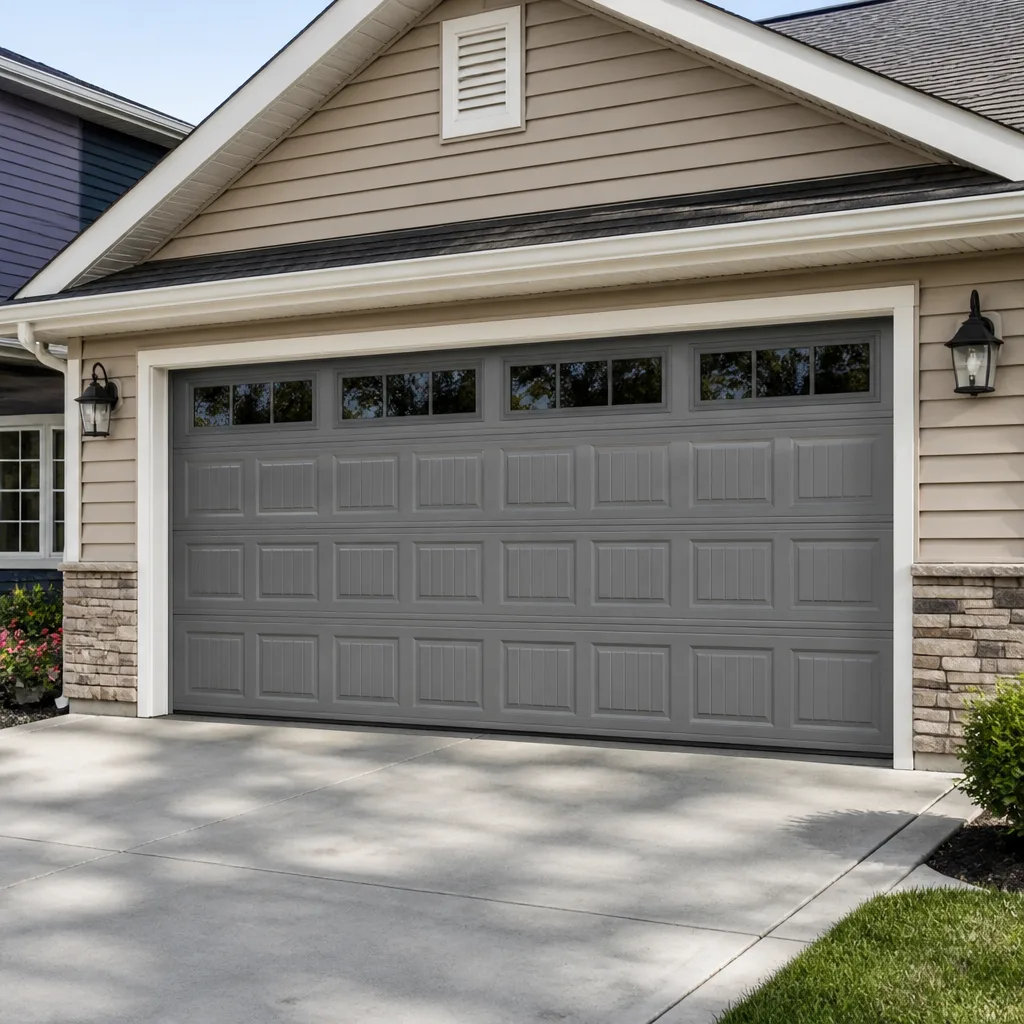 Raised-panel steel
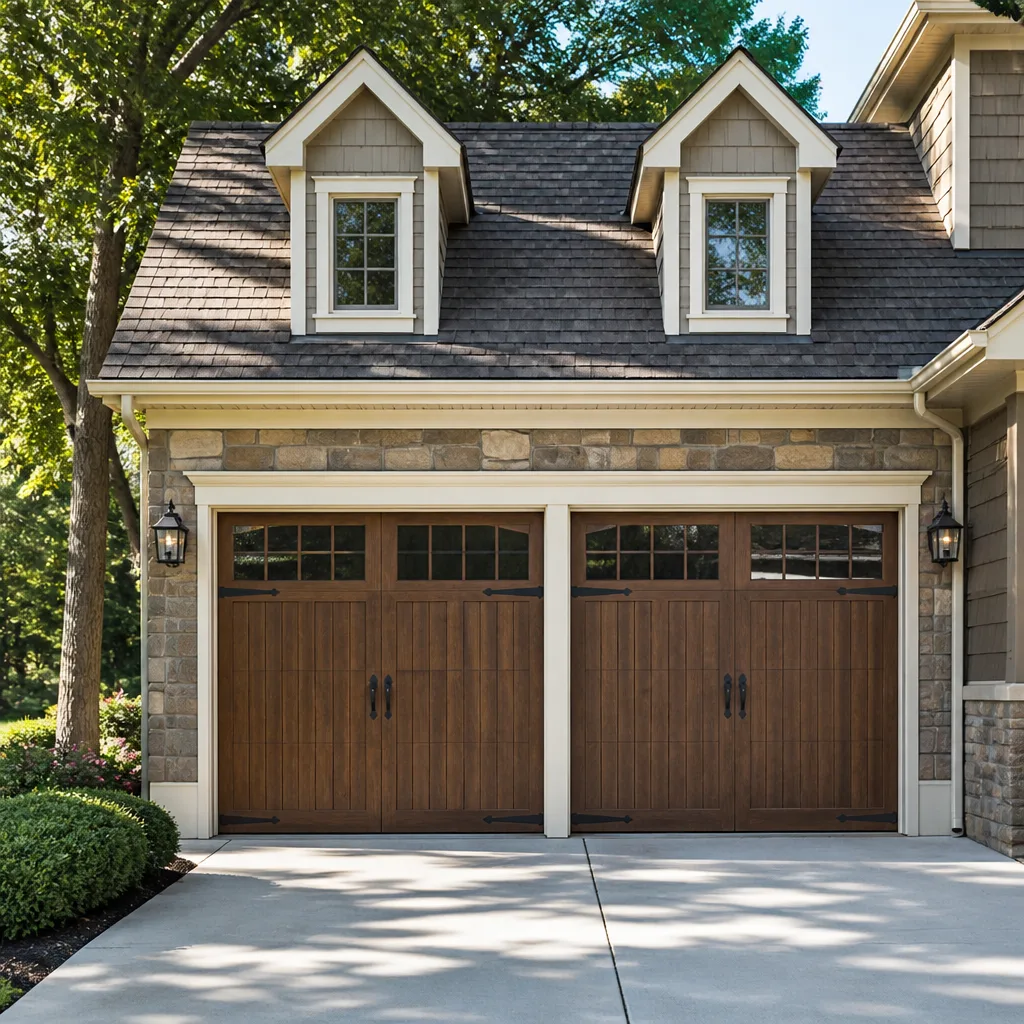 Carriage house
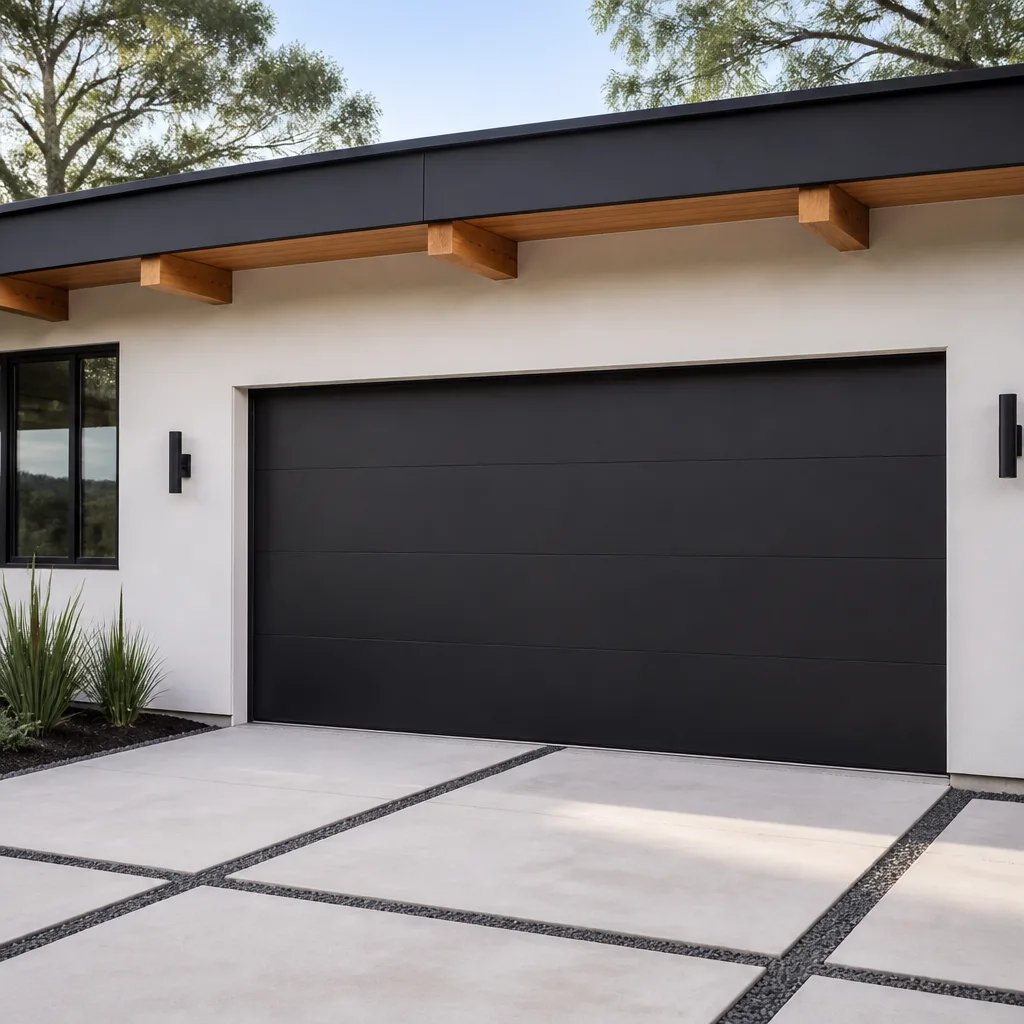 Modern flush
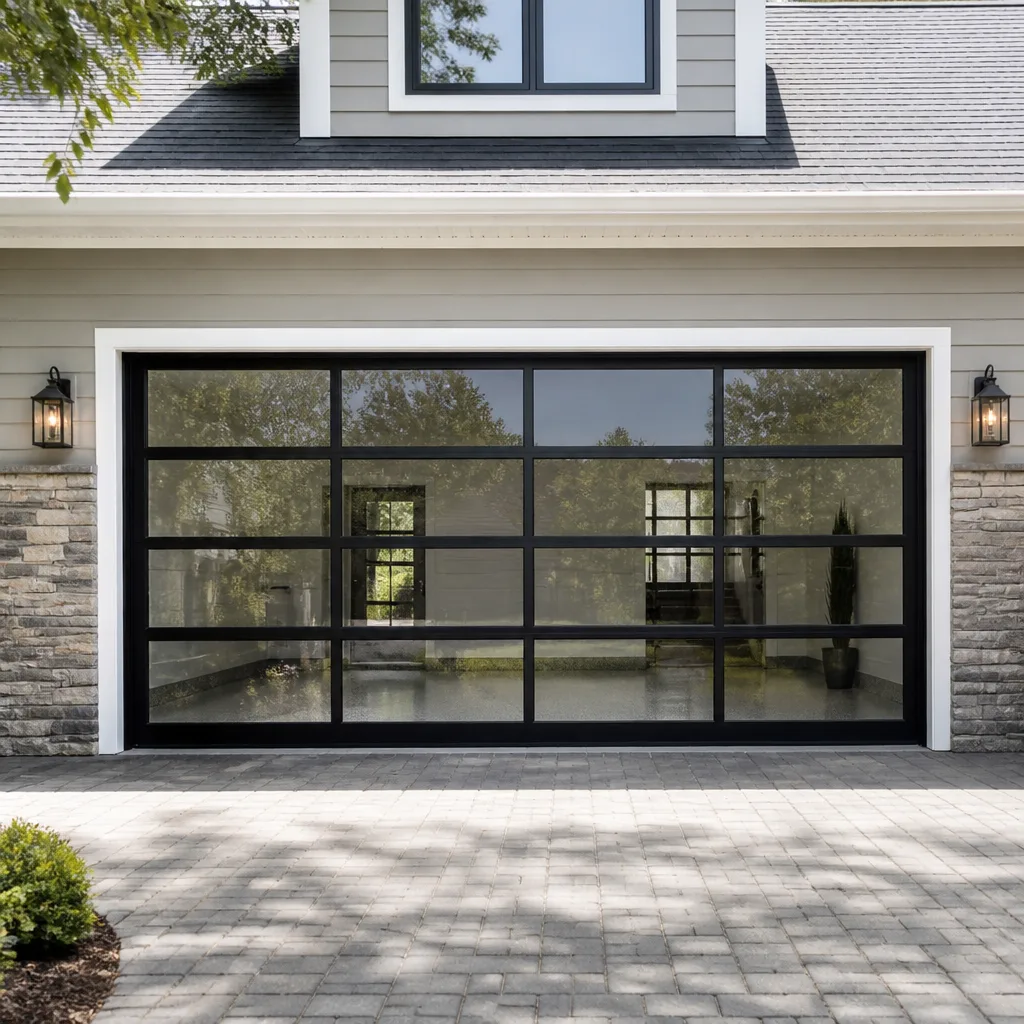 Full-view glass
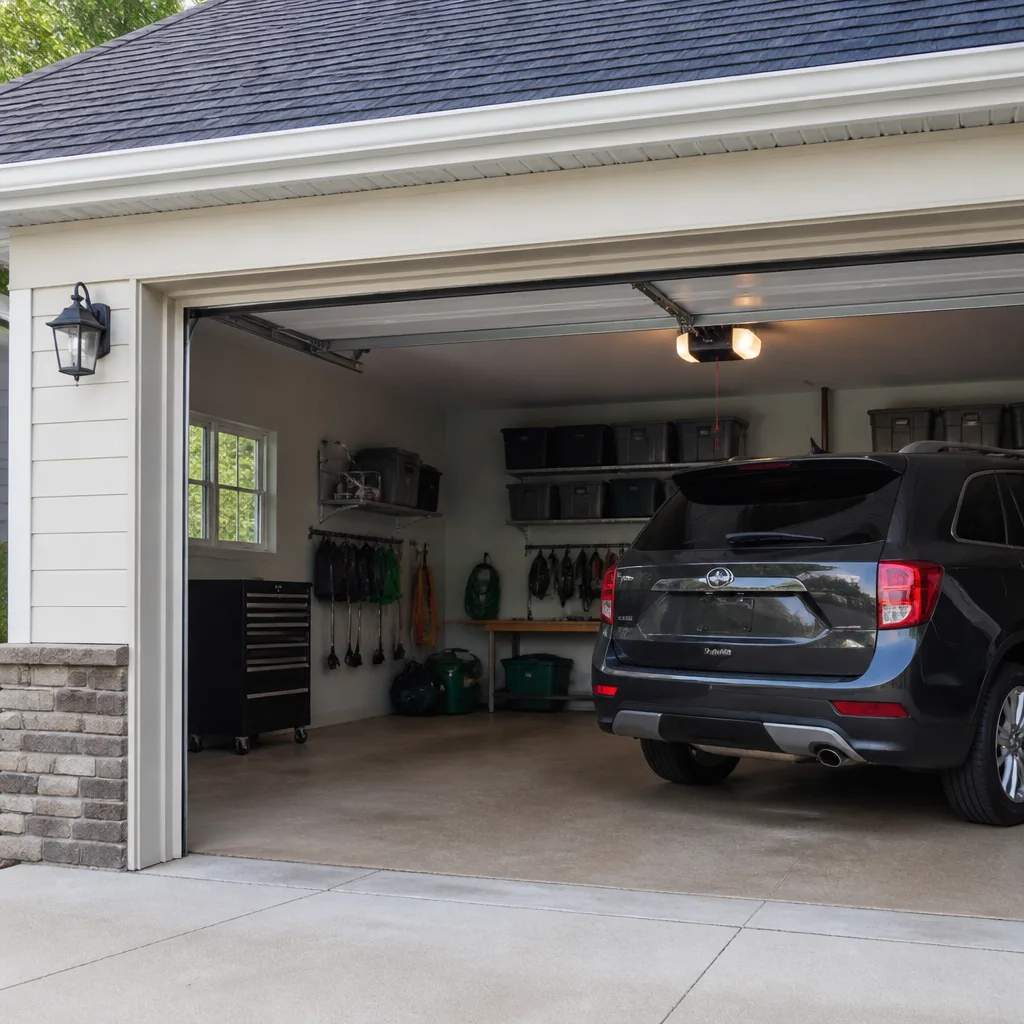 LiftMaster openers
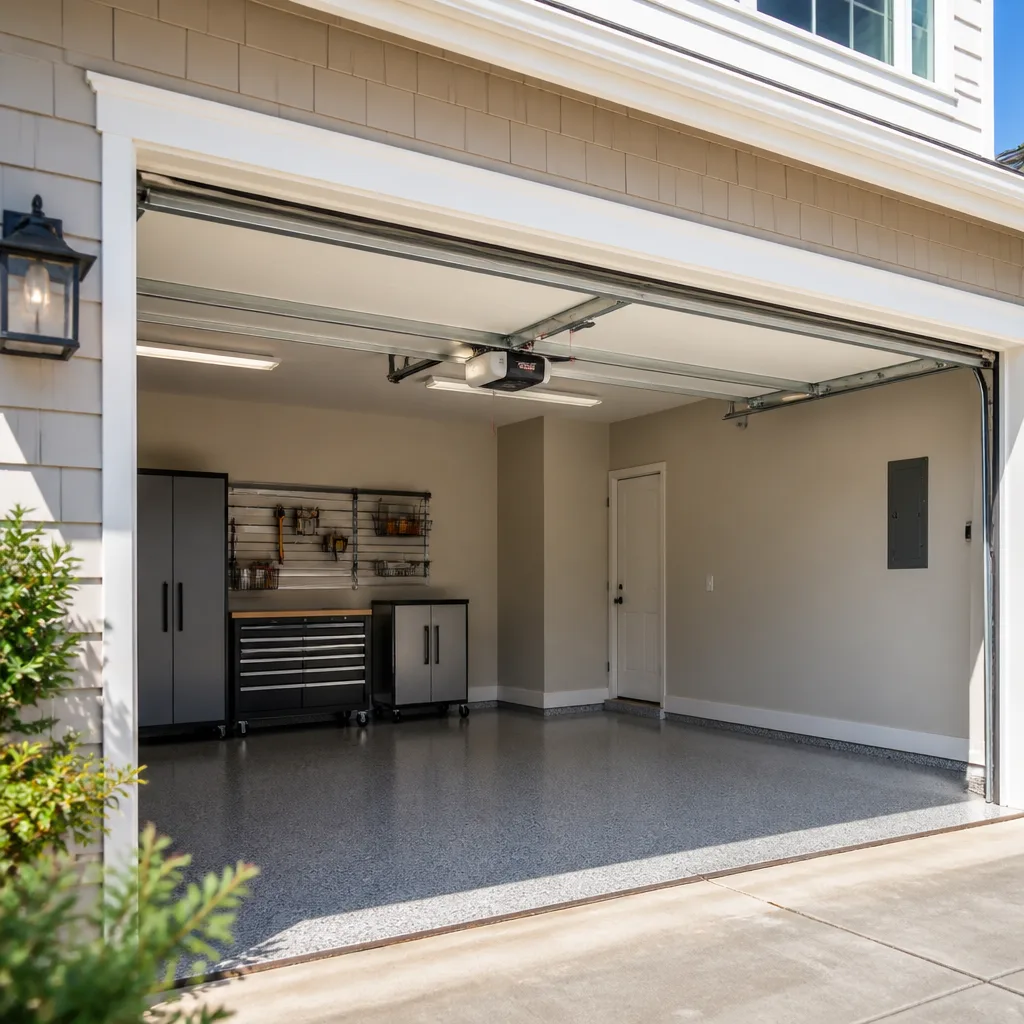 Chamberlain openers
Full 25-point door and opener safety check with every visit - springs, cables, rollers, tracks, and your LiftMaster or Chamberlain opener included
You get a price before we start. It does not change when the pro arrives.
Get your free estimateThe Complete Guide to Garage Doors in Westerville
Most garage door guides are written for a homeowner in Phoenix or Atlanta, and half of what they say is wrong for central Ohio. A door that performs fine in a mild climate can fight you every February here. Westerville’s freeze-thaw swings, its attached-garage housing stock, and its dense HOA rules change what you should buy, how you should maintain it, and what you should expect when something breaks. This guide treats your ZIP code as a variable, not an afterthought. You’ll learn how Ohio weather stresses specific components, what builders actually install versus what lasts, which service calls spike by season, and how to buy a door that clears your association’s checklist the first time.
Styles & brands we work with
- Raised-panel steel
- Carriage house
- Modern flush
- Full-view glass
- LiftMaster openers
- Chamberlain openers
Quick Answer
A garage door in Westerville needs to be chosen and maintained for freeze-thaw weather, not for a mild climate. Prioritize a reinforced bottom seal, balanced torsion springs rated for heavy daily cycling, and an insulated door appropriate to an attached garage you heat around. Buy the style and color your HOA approves before you order, and service the door once a year so small seal and spring wear doesn’t turn into a stuck door in January. When something does fail, a specialist who knows your exact brand will diagnose it faster than a general handyman.
Table of Contents
- Why Westerville Doors Live in a Different Climate Than Most Guides Assume
- How Freeze-Thaw Cycles Stress Seals and Springs
- What R-Value Actually Matters Here
- Buying for Your HOA: Weatherstone, Flint, and Heritage
- What Builders Install vs. What Lasts
- Door Widths in Westerville’s Split-Levels and Colonials
- Which Service Calls Spike by Season
- Repair, Replace, or Upgrade?
- Common Mistakes to Avoid
- When to Call a Professional
- Frequently Asked Questions
Why Westerville Doors Live in a Different Climate Than Most Guides Assume
Central Ohio sits in a zone where the temperature can swing from a hard freeze to a mild afternoon in the same week, sometimes the same day. That matters more for a garage door than most homeowners realize. A garage door is a large moving assembly of steel, wood or composite panels, rubber seals, cables and springs. Every material in that assembly expands, contracts and flexes at a different rate as the weather moves.
A guide written for a warm-weather city barely touches this. In a place where winter is mild, the seal stays flexible and the springs stay in a narrow temperature band. In Westerville, the door faces real metal contraction, stiff rubber and frost heave under the slab, all in the same season. Generic advice about “lubricating your door” misses the parts that actually fail here.
We’ve seen the pattern hold across the subdivisions. A door that was quiet in October starts groaning in the first cold snap. The bottom seal that looked fine in fall lets a draft in by January. None of that means the door is defective. It means the door is doing exactly what hardware does when it lives through an Ohio winter. Understanding that is the foundation for every buying and maintenance decision in this guide.
The practical takeaway is simple: choose parts and a door built for a cold, wet, swinging climate. Then check them on a schedule that matches that climate, not a schedule copied from a national checklist. That’s what we mean when we say your exact brand, diagnosed correctly the first time.
How Freeze-Thaw Cycles Stress Seals and Springs
Freeze-thaw is the repeated cycle of water melting, seeping into a gap, and then freezing and expanding. In Westerville it happens most of the winter, and it hits two parts of your door hardest: the bottom seal and the torsion spring.
The bottom seal
The bottom seal is the rubber or vinyl strip along the foot of the door. It’s the part that actually seals out cold air, water and pests. Freeze-thaw turns that seal into a wear item. When water gets under the door and freezes, it can push the seal off its track, stiffen the rubber until it cracks, and let drafts under. A seal that’s three or four winters old in a southern climate may still be soft here. The same age in Westerville is often hard and split.
The torsion springs
Torsion springs do the heavy lifting of the door’s weight. Cold metal is less forgiving, and the number of open-and-close cycles climbs fast when a family uses the door several times a day. Springs are rated by cycle life, and they fail by fatigue, not by a dramatic break you can predict. In our experience, spring failure in Westerville clusters in the cold months and again after a hard winter, both times when the metal has been worked hardest.
What to watch
- A bottom seal that looks flat, cracked or has daylight showing under it
- A door that feels heavier or drops a little faster than it used to
- A single sharp bang from the garage when the door moves
- A gap on one side of the door when it’s fully closed
- A door that reverses or binds more in cold weather than in warm
Springs and cables under tension are genuinely dangerous to touch. If you see a broken spring or a door hanging crooked, don’t try to lift it or loosen anything. That’s a job for a trained technician, and it’s covered in more depth on our garage door spring repair page. A stiff seal is safe to inspect and replace, and catching it early protects the door above it.
What R-Value Actually Matters Here
R-value is a measure of how well a door resists heat flow. Many buying guides treat it as a single “higher is better” number. That’s misleading in a place like Westerville, where the question is less about beating a hot summer and more about keeping a cold garage from dragging down the room above it.
Here’s the practical framing. An attached, heated home with living space above or beside the garage benefits from an insulated door, because the door is a big flat surface that loses heat in winter. A detached garage that’s only used for parking doesn’t need the same number. Buying maximum insulation for a detached shed-style garage is money spent on a benefit you won’t feel.
- Attached garage, room above: insulated door is worth it; the garage sits inside your home’s thermal envelope.
- Attached garage, no room above: insulated door helps comfort and reduces cold drafts into the house.
- Detached garage, parking only: modest insulation is fine; focus budget on seal quality and hardware instead.
The R-value number on the label also only tells part of the story. A door with a great R-value and a failing bottom seal still leaks cold air underneath. In Westerville, the seal and the fit around the door matter as much as the panel’s rating, because the gaps are where the cold actually gets in. When you’re comparing doors, ask what the whole assembly does, not just the panel. If you go with a brand like Clopay or Amarr, the insulation is one part of a system that includes the seal, track and hardware.
Buying for Your HOA: Weatherstone, Flint, and Heritage
Westerville has a lot of homeowners associations, and the door you love may not be the door you’re allowed to buy. This is the single most common pre-purchase mistake we see: ordering a door before checking the association’s design rules. Weatherstone, Flint and Heritage are all communities where the association has its own expectations about door style, panel layout and color.
What to check before you order
- Get the association’s design guidelines in writing, not from a neighbor’s memory.
- Check the approved color list. Many associations restrict doors to a narrow palette.
- Ask whether the style must match the original build or just the color.
- Confirm whether window panels and inserts are allowed.
- Ask what the approval process requires, and get it approved before you buy.
An association that’s strict on color is often flexible on hardware, and the reverse is also true. The point is to ask, in writing, before the door is ordered, because a special-order door that doesn’t meet the rules is a costly problem to unwind. A brand like Wayne Dalton gives you a range of panel styles and colors to work with, so you can usually find an approved option without compromising on performance.
Weatherstone, Flint and Heritage each have their own character, and the associations reflect that. If you’re unsure how to read the guidelines, call us and we can walk through what your community typically approves. Getting this right up front saves time and money, and it’s part of buying a door that fits Westerville, not just your house.
What Builders Install vs. What Lasts
If you bought a newer home near Polaris or in one of Westerville’s newer tracts, the garage door was likely chosen by a builder to hit a price point and match the elevation. That’s not a knock on builders. It’s a description of how new construction works: the door is one of many line items, and it’s selected to meet code and budget, not to last twenty winters.
What tends to show up in builder-installed doors:
- Economy hardware and lighter-gauge springs that are fine for a few years of moderate use
- A basic bottom seal with a short life in a freeze-thaw climate
- An opener that’s reliable but entry-level, often a Craftsman or similar basic unit
- Standard panel sizes that fit the elevation but not always the best insulation for the space
What lasts longer in Westerville:
- Heavier-duty torsion springs rated for a longer cycle life
- A reinforced bottom seal built for cold weather
- An insulated panel package on attached garages with living space above
- An opener matched to the door’s weight and to the homeowner’s needs, such as a smart-home setup on a LiftMaster system
None of this means a builder door is a bad door. It means it’s an entry point, not a finish line. Plenty of Westerville homes live happily on a builder door for years, and then upgrade the springs and seal when they fail. If you’re deciding whether to upgrade, focus on the parts that fail first here: springs and the bottom seal. That’s where your money does the most work in this climate. Our garage door repair page covers how we handle these upgrades when you’re ready.
Door Widths in Westerville’s Split-Levels and Colonials
Door width isn’t glamorous, but it’s one of the things that makes a Westerville garage door job run smoothly. The housing stock here is dominated by split-levels, colonials and the attached-garage floor plans common across the subdivisions, and those homes tend to follow a few standard door widths.
The most common single-car door is nine feet wide. The most common double-car door is sixteen feet wide. Older split-levels sometimes carry a slightly different width, and a few homes have wider or narrower openings that were built to match the elevation. None of that is unusual, but it matters for two reasons.
- Replacement fit. A door must match the opening, the headroom above it and the track layout, not just the width. A door bought to a standard width can be the wrong door for a specific opening.
- Spring rating. The spring must be rated for the actual weight of the door, which changes with width, panel material and insulation. A spring rated for a lighter door will fail early in a Westerville winter.
This is why we measure before quoting on a replacement. It’s also why we ask about the house style and the opening, not just the door. A sixteen-foot double door on a colonial and a nine-foot single door on a split-level need different springs, different track and sometimes a different opener. Getting the width and weight right up front is the difference between a door that lasts and one that keeps needing adjustments. If your door is stuck closed or won’t open, that’s a fix we can handle quickly, and our garage door opener repair page covers the opener side.
Which Service Calls Spike by Season
Over the years we’ve noticed that Westerville’s garage door service calls follow a seasonal pattern, and that pattern tells you which failures are preventable. If you know what tends to fail when, you can get ahead of it.
Late fall and winter: springs and seals
The first hard cold snap brings spring failures and seal complaints. Cold metal and stiff rubber both choose the cold months to show their age. This is the season when a door that was “fine all summer” suddenly won’t open. A pre-winter check of the springs and seal is the single best way to avoid a January surprise.
Spring: alignment and hardware
As things thaw, doors that shifted over the winter show it: a binding track, a roller out of the rail, a door that no longer sits flush. These are usually small fixes caught early, and bigger ones when ignored.
Summer: openers and heat
Hot spells put strain on openers, especially older units and ones carrying a heavy door. A door that’s harder to lift because of a worn spring makes the opener work harder, and the opener is the part that shows the strain. If your opener is straining in the summer, the door is often the real story.
Year-round: emergency calls
A door stuck open, a broken spring or an opener that won’t respond can happen any month. That’s why emergency garage door service is a core part of what we do, not an add-on. A door that won’t close leaves a home unsecured, and a door that won’t open traps a car. We treat those calls as urgent because they are. The seasonal pattern isn’t a strict rule, but it’s a reliable guide to what to check and when.
Repair, Replace, or Upgrade?
Homeowners in Westerville ask this constantly, and there’s no single answer. The right call depends on the age of the door, the age of the hardware, and what’s actually failing. Here’s a simple way to think about it.
Repair makes sense when
- The panels are in good shape and the door still fits the opening well
- The failure is a spring, cable, roller or opener, not the door itself
- The door is a standard size and the hardware is serviceable
Replace makes sense when
- The panels are dented, rusted or coming apart at the seams
- The door is a builder-grade unit and you want insulation, a new look or a quieter operation
- Repairs keep piling up and the total is climbing toward the cost of a new door
Upgrade makes sense when
- The door is sound but the springs and seal are due for replacement anyway
- You’re adding a smart opener and want the door balanced for it
- You want a quieter door without replacing the panels
Most of the time, the honest answer is that the door is fine and the hardware needs attention. We’d rather fix what’s failing than sell a door you don’t need. When a replacement is the right call, we’ll quote it in writing before anything is ordered, and that quote is the price. Our main Garage Door Repair Westerville page lays out everything we handle under one roof.
Common Mistakes to Avoid
- Ordering a door before checking HOA rules. Weatherstone, Flint and Heritage all have design guidelines, and a special-order door that violates them is expensive to fix. Get approval in writing first.
- Choosing R-value by the biggest number. A detached garage doesn’t need the same insulation as an attached one with a room above. Match the door to how the garage is actually used.
- Ignoring the bottom seal until winter. The seal is the first thing freeze-thaw attacks. A small crack in October becomes a draft and a wet floor by January.
- Treating a strained opener as an opener problem. If the opener struggles in summer, the door and its springs are usually the real cause. Replacing the opener alone won’t fix a door that’s hard to lift.
- Trying to adjust springs or cables yourself. These parts are under high tension and can cause serious injury. Leave them to a trained technician.
- Buying a door to a standard width without measuring. Westerville’s split-levels and colonials follow common widths, but the opening and headroom still have to be measured. A standard-size door can be the wrong door.
- Waiting for a failure before servicing. A once-a-year check catches seal and spring wear before it becomes a stuck door. That’s the cheapest maintenance you’ll ever do on a garage door in this climate.
When to Call a Professional
Some garage door problems are safe to handle yourself: a stiff seal, a noisy roller, a remote that needs a fresh battery. Others genuinely need a trained technician. Call a professional if a spring is broken, if the door hangs crooked or comes off its track, if a cable looks frayed or loose, or if the opener runs but the door won’t move. Those situations involve high tension or a door that could fall, and they’re not worth the risk. A door stuck open also counts as urgent, since it leaves your home unsecured. Garage Door Repair Westerville offers free estimates in Westerville and handles everything from a single spring to a full installation, so you’re not calling two companies. Our technicians have up to 9 years of experience, and we service the major brands you’ll find in local homes. Call (855) 771-0571 for a free estimate.
Frequently Asked Questions
Most common garage door repairs in Westerville fall into a modest range, but the price depends on the part and the door. Spring replacement, opener repair and seal replacement are all quoted per job after we see the door. We give a written estimate before any work starts, so the quote is the price. Call (855) 771-0571 for an exact quote; estimates are free.
For urgent problems like a broken spring, a door stuck open or an opener that won’t respond, same-day service is often possible because emergency work is a core part of what we do. Call (855) 771-0571 and we’ll tell you what’s realistic for your door.
We service eight major brands, including LiftMaster, Chamberlain, Genie, Clopay, Amarr, Wayne Dalton, Craftsman and Raynor, which covers the vast majority of systems in Westerville homes. Knowing the brand lets us diagnose faster and source the right parts. Call (855) 771-0571 and tell us what you have.
No. We quote the job in writing before work begins, and that written estimate sets the final price. If we find something unexpected, we’ll talk it through with you before doing any additional work. Call (855) 771-0571 for a free estimate.
The local professional we connect you with is licensed and insured as their state requires. Our technicians have up to 9 years of experience and work only on garage doors. Call (855) 771-0571 with any questions before you book.
Check three things: your HOA’s design rules, the actual width and headroom of your opening, and the insulation your garage actually needs. Weatherstone, Flint and Heritage all have design guidelines, so get approval in writing before you order. Call (855) 771-0571 and we’ll help you sort out the right door for your home.
The Bottom Line
A garage door in Westerville is a climate-specific investment. The parts that fail here are the bottom seal and the torsion springs, and both are stressed by freeze-thaw weather rather than by heat or salt. Buy for your HOA’s rules before you buy for looks, match insulation to how the garage is actually used, and measure the opening rather than trusting a standard width. Service the door once a year so small wear doesn’t become a stuck door in January, and call a professional for anything involving springs or cables. From a single spring to a full installation, one call covers it, and the written estimate is the price.
If your door needs attention, or you’re planning a replacement and want a straight answer about what fits your home, we’re here. Call (855) 771-0571 for a free estimate in Westerville. Garage doors are all we do, and we do them completely.
Written by the team at Garage Door Repair Westerville.
See the difference
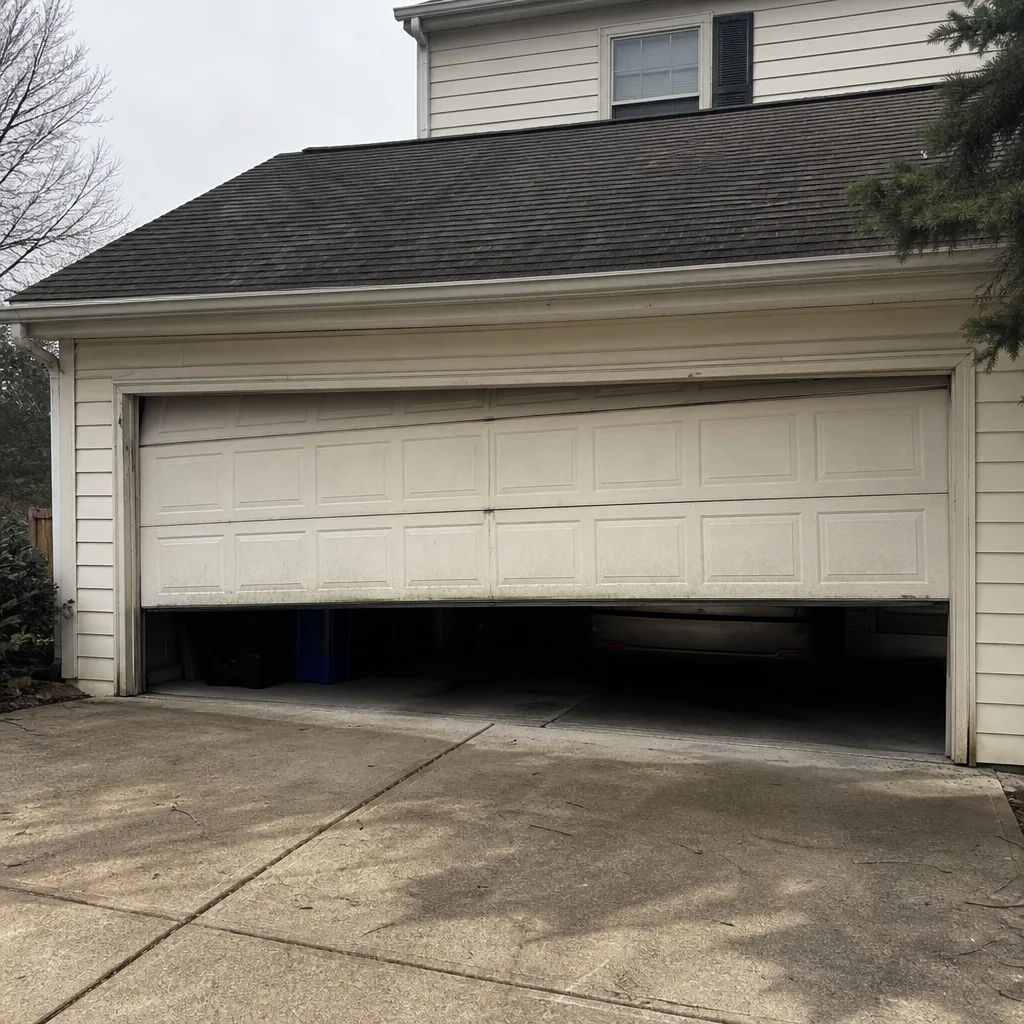 Before
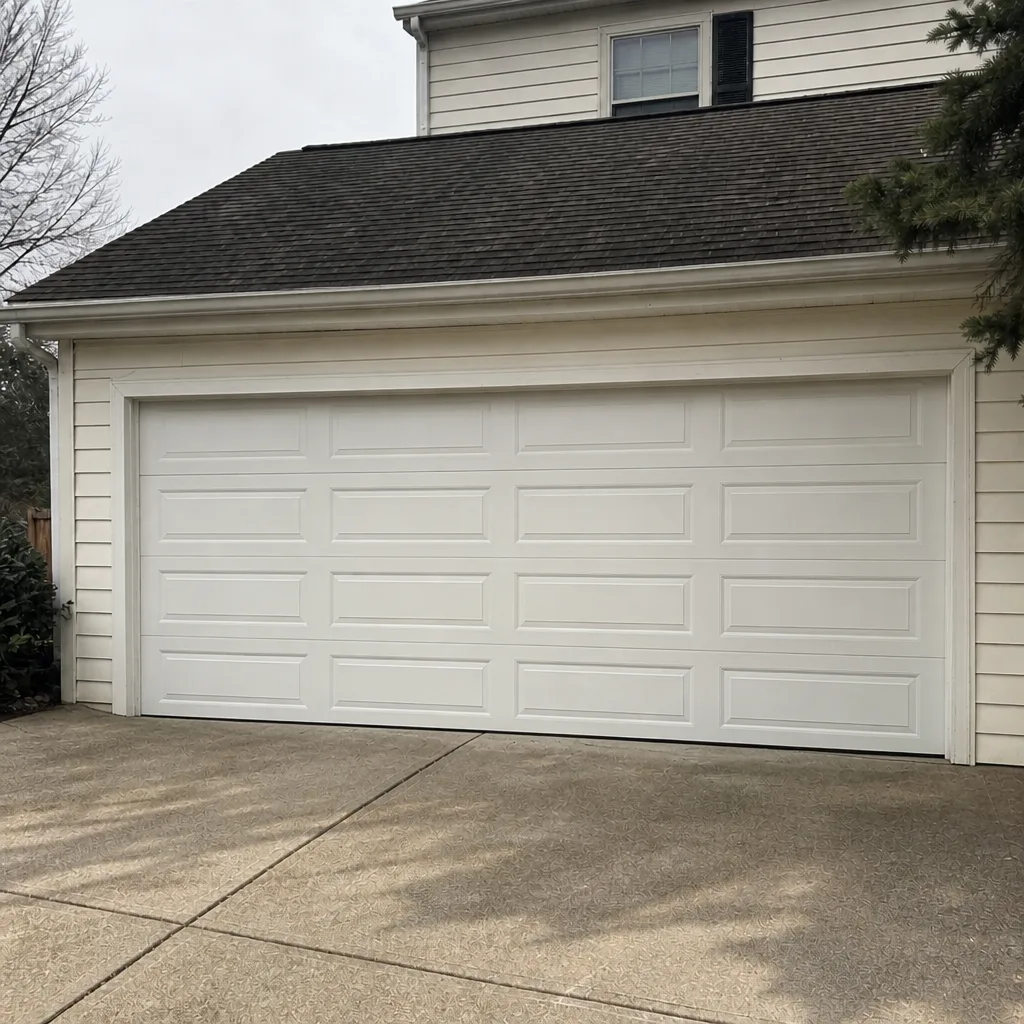 After
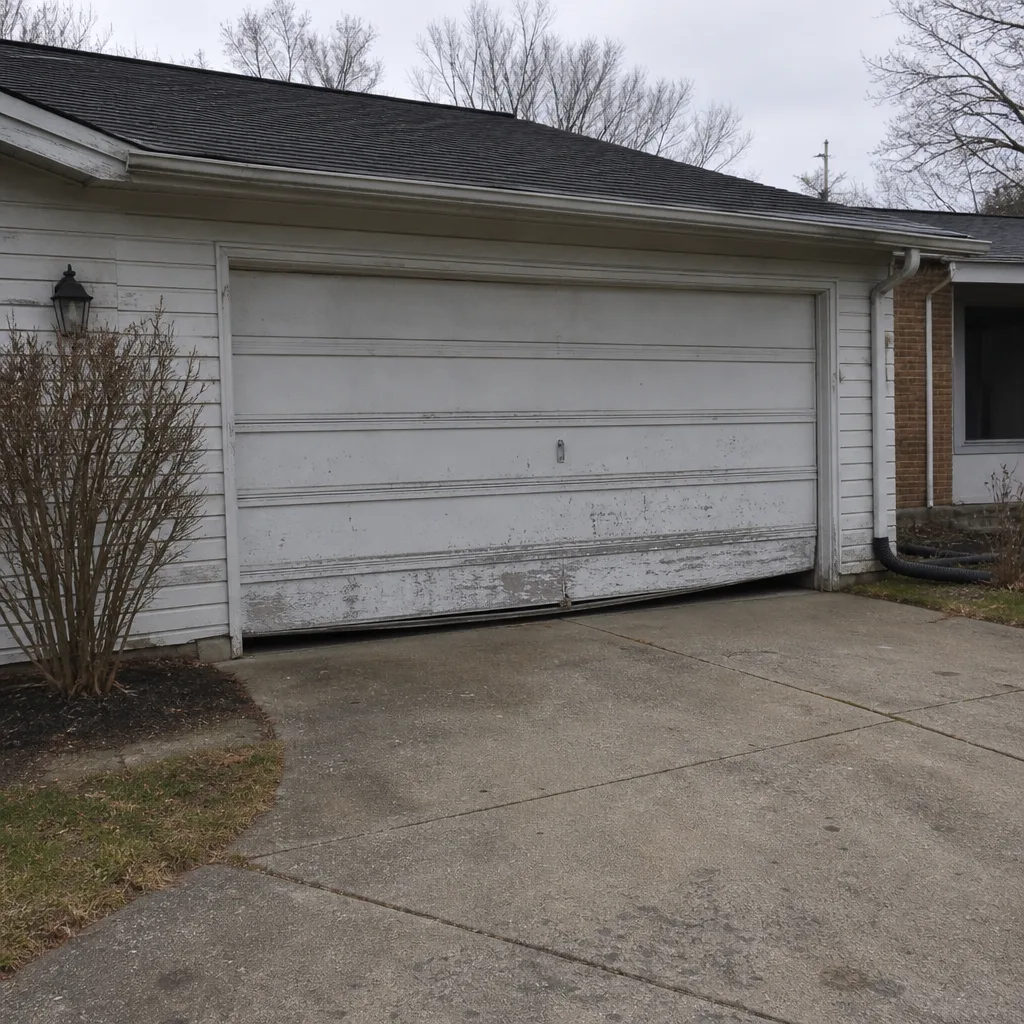 Before
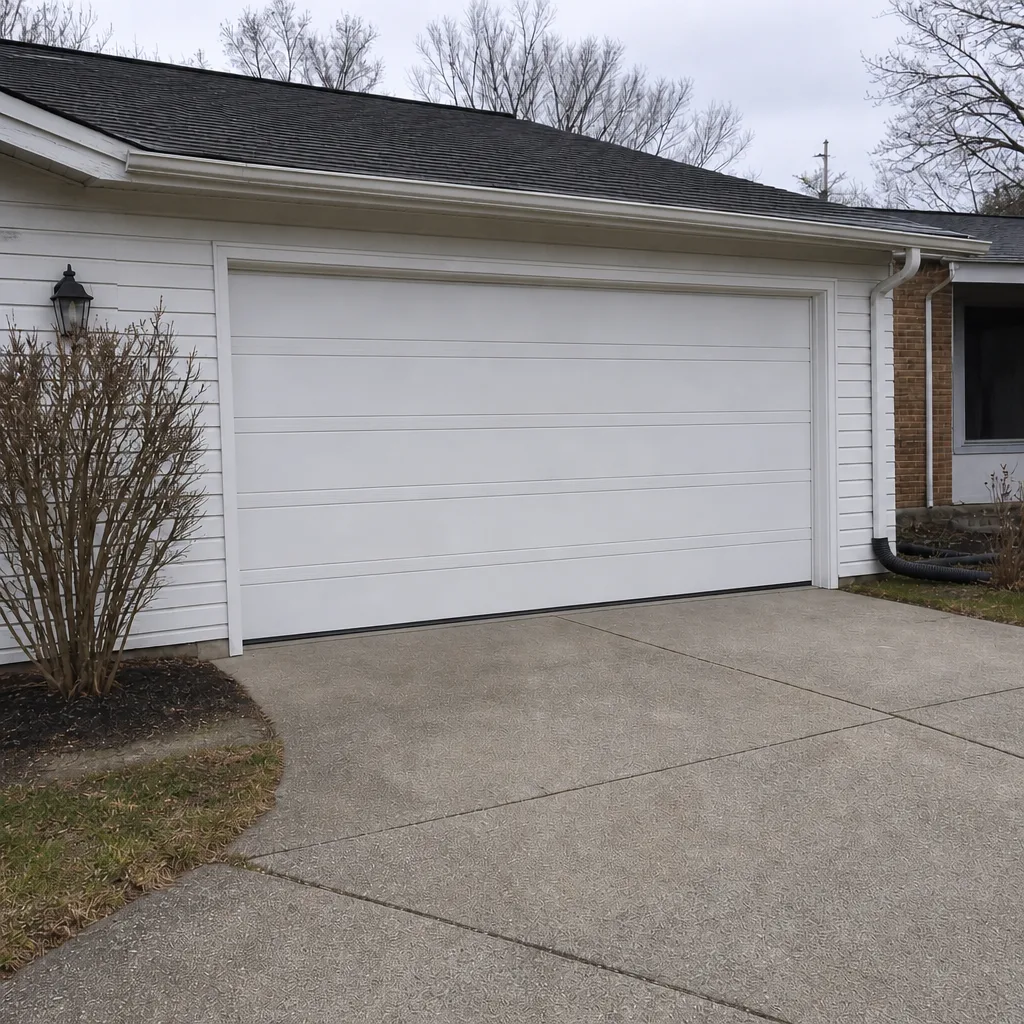 After
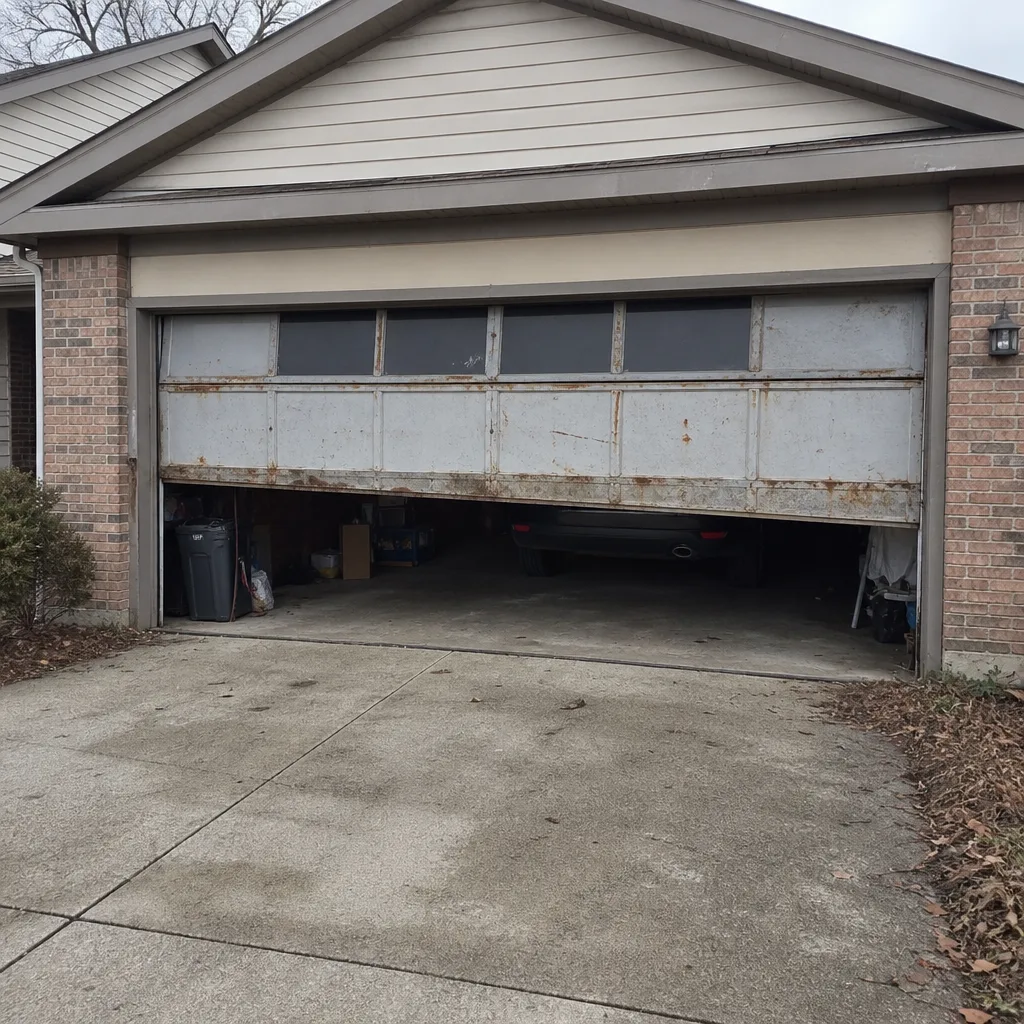 Before
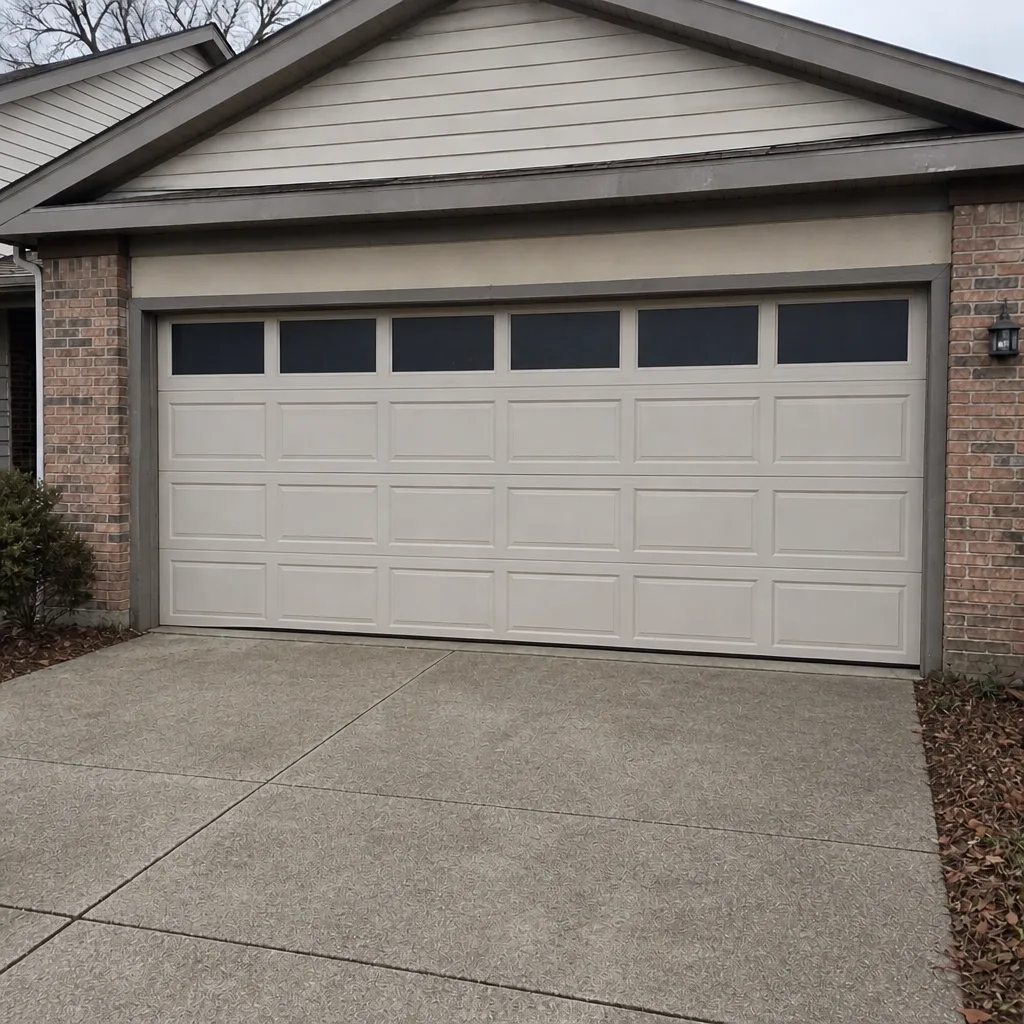 After